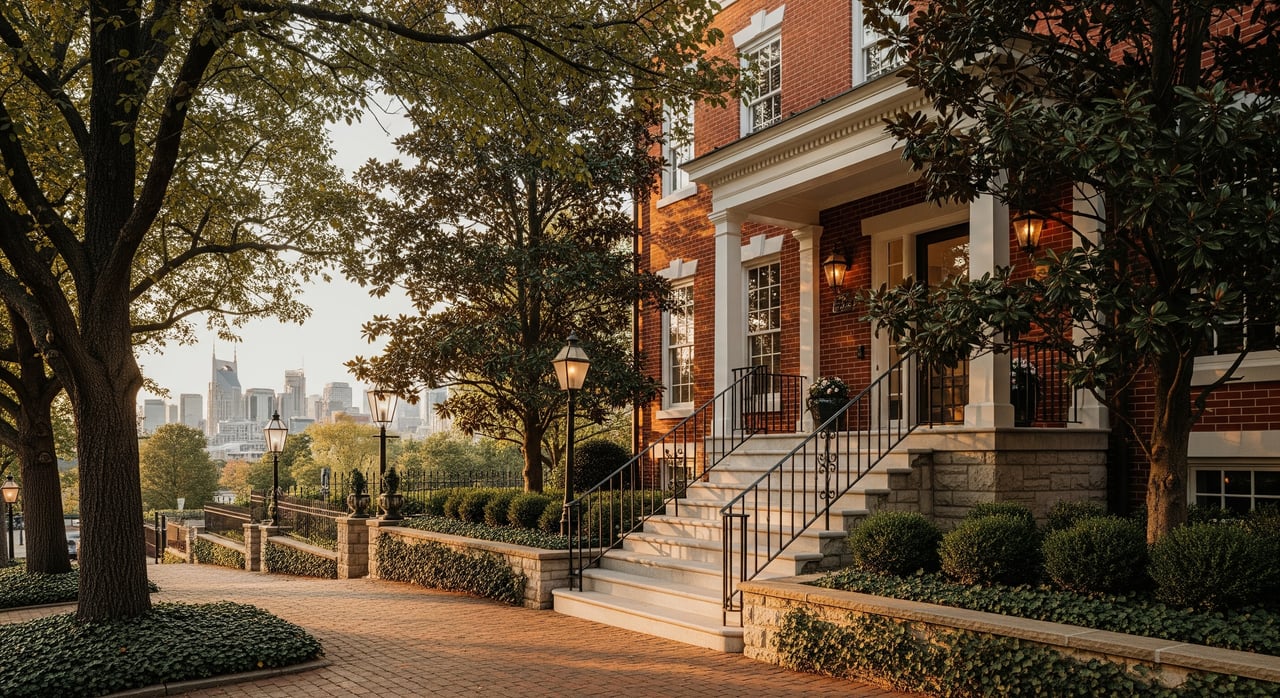
Starting a new role in Nashville and want a smooth landing close to downtown, campuses, and culture? Hillsboro and West End offer short commutes, strong walkability, and a mix of homes that suit many timelines. You want clarity on housing, transit, schools, and practical steps so you can get settled with confidence. This guide gives you the essentials, plus a clear checklist to keep your move on track. Let’s dive in.
Why Hillsboro and West End work
Location and identity
Hillsboro and West End sit 1 to 3 miles west of Downtown Nashville along West End Avenue. The area includes Hillsboro Village near Belmont University, the West End corridor by Vanderbilt, and residential streets north and south of West End. It is compact and walkable compared with many Nashville neighborhoods, which makes daily routines easier when you are new to town.
Lifestyle and housing mix
You will see a mix of professionals, students from nearby universities, and renters in mid-rise buildings. Housing spans newer apartments and condos near West End and older, renovated options on surrounding streets. Some blocks feature historic single-family homes in limited supply. Many employees choose this area for urban amenities and easy access to major employers.
Zoning and neighborhood basics
Expect multifamily and commercial zoning along West End, with single-family zoning on adjacent blocks. Some streets use residential permit parking. Developers have added multifamily options over the past decade, which helps with rental availability. For property-specific questions like short-term rentals or local parking rules, check official Metro Nashville resources during your search.
Housing options and smart strategies
Short-term and furnished options
If you are on a tight timeline, short-term furnished apartments are common and work well for 30 to 90 day assignments or a house-hunting base. Co-living and extended-stay hotels can cover very short placements. These choices give you flexibility while you learn the area and finalize a long-term plan.
Market rentals for 6 to 12 months
Conventional apartments, townhomes, and condo rentals are widely available in 1 to 3 bedroom layouts. Multifamily inventory in the corridor is substantial, which helps when you need a defined move-in date. Mid-month move-ins can sometimes offer better availability.
Buying a home
For-sale options include condos and a smaller pool of single-family homes. Prices in Hillsboro and West End typically sit at a premium compared with broader Nashville due to proximity to downtown, Vanderbilt, and Belmont. Local market conditions can shift quickly, so plan for timely tours and prepared offer documents.
Budgeting and relocation allowances
Because pricing changes month to month, many employers use a policy framework rather than fixed numbers. Consider covering 2 to 4 weeks in furnished housing, plus a defined rental cap for the first 1 to 3 months while you search. Verify current median rent and sale prices at the time you set or use your policy.
Fast-track search tips
- Engage a local broker who works regularly in Hillsboro and West End.
- Book a house-hunting trip with back-to-back in-person or virtual tours.
- Target off-peak move-in dates when possible. Mid-month can open options.
- If you have children, align tours with school enrollment timelines and transportation needs.
Getting around with ease
Driving and commute times
West End Avenue is the primary east to west corridor into downtown. Interstates I-40, I-65, and I-440 are a short drive from most addresses. Off-peak, many commutes to downtown run about 5 to 15 minutes. Rush-hour traffic can add time, so plan alternate routes and buffers for morning and evening trips.
Transit, biking, and micromobility
WeGo Public Transit serves West End with bus routes that connect to downtown and other neighborhoods. Service levels vary by route and time of day. Vanderbilt and Belmont support a strong pedestrian and bike culture, and you will find bike lanes and pedestrian-friendly segments in parts of the area. Ride-hailing, scooters, and bikeshare are widely used for short trips.
Parking and employer benefits
Some residential streets use permit parking, and many multifamily buildings include resident or paid garage options. Office buildings in West End and downtown often provide structured or permitted parking. Ask about commuter benefits such as transit passes, parking stipends, or pre-tax commuter accounts to manage costs.
Everyday essentials
Employers and campuses
Vanderbilt University and Vanderbilt University Medical Center anchor the West End corridor and employ many local residents. Belmont University shapes Hillsboro Village and supports a strong retail and dining scene. Downtown corporate offices are close by, which is why many downtown employees choose West End.
Healthcare access
You are near a major medical hub. Vanderbilt University Medical Center and specialty hospitals are within a short drive, which benefits healthcare professionals and anyone who values close access to regional health services. When you finalize housing, save contacts for nearby urgent care and primary care providers.
Education overview
Hillsboro and West End are home to Vanderbilt and Belmont for higher education. For K to 12, the area falls within Metro Nashville Public Schools. School zone boundaries can change, so confirm the specific school assignment for your address using official district tools or by contacting MNPS. Several private and independent schools serve central Nashville within reasonable commutes. If school is a priority, start research early and gather documents for enrollment.
Parks, dining, and culture
You will find a dense mix of restaurants, coffee shops, retail, and services in Hillsboro Village and along West End Avenue. Centennial Park, home to the Parthenon replica, is nearby and offers green space for walks and recreation. Proximity to downtown puts entertainment and music venues within easy reach.
Logistics, costs, and checklists
Taxes and cost of living essentials
Tennessee does not impose a state tax on wages. Sales and local taxes apply and are generally above national averages. Property taxes in Davidson County are assessed locally and vary by property class. If you are an employer, confirm payroll onboarding steps for employees moving into Metro Nashville.
Utilities and service setup
Electric service in most of Nashville is provided by Nashville Electric Service. Water and sewer are handled by Metro Water Services. Natural gas and internet providers vary by address. Build a checklist that includes electric, water, gas, trash or recycling, and internet, along with typical activation windows of several business days.
Movers and storage
Choose moving companies that understand central Nashville delivery rules. Many buildings require reservations for loading areas and elevators. Short-term storage is widely available and can bridge the time between arrival and permanent housing.
Lease and purchase notes
Standard Tennessee leases spell out security deposits, pet rules, and early termination clauses. Review them carefully. For purchases, expect the customary steps: offer, earnest money, inspection contingency, and closing. Discuss local closing costs, title insurance, and transfer fees with your agent or closing team. Plan for a home inspection and confirm homeowners insurance requirements early.
Corporate policy ideas to discuss
- Home-finding trip allowance for travel, lodging, and meals.
- Temporary furnished housing for 30 to 90 days or a corporate apartment stipend.
- Lump-sum relocation payment or reimbursed moving categories with clear rules.
- Lease-break support or rental brokerage fee coverage where customary.
- Spousal or partner job search assistance and school enrollment support.
- Orientation materials that cover utilities, medical providers, schools, daycare, and transit.
- Pet relocation assistance when applicable.
Sample timeline for transferees
- 60 to 90 days before move: gather housing info, book a home-finding trip, confirm allowances, and begin school research.
- 30 to 45 days before move: secure temporary housing, schedule movers, research utility providers for your target address, and collect enrollment documents.
- 7 to 14 days before move: confirm building move logistics, parking, change-of-address steps, and healthcare transfers.
- Move week: schedule utility activation, exchange keys, and confirm final delivery windows.
- First 30 days after arrival: complete school registration, obtain a local driver’s license if needed, register your vehicle, and finalize your lease or purchase.
Quick neighborhood fit checklist
- You want a short commute to downtown or campus employers.
- You value walkability with restaurants, retail, and services close by.
- You plan to start in a furnished rental, then transition to a long-term lease or purchase.
- You expect structured parking or are comfortable with permit parking on select streets.
- You need to align housing with school timelines and zones.
- You are budgeting for a premium neighborhood relative to broader Nashville.
- You prefer access to parks and cultural venues within a short drive or walk.
Next steps
Relocating to Hillsboro and West End is straightforward when you have clear information, a flexible housing plan, and the right local guidance. If you are weighing furnished options, comparing commute tradeoffs, or preparing to buy, a focused search will save you time and help you move confidently. For a private, concierge-level approach to your Nashville transition, connect with Heather Hamel to begin.
FAQs
What should I know about commuting from Hillsboro and West End to downtown?
- Off-peak drives often run 5 to 15 minutes, while rush-hour congestion can add time, so plan alternate routes and consider bus or bike options when schedules allow.
How competitive is housing in Hillsboro and West End for new arrivals?
- Multifamily rentals are substantial, but for-sale condos and single-family homes are limited and can be competitive, so schedule tours and have documents ready.
Are short-term furnished apartments available near West End Avenue?
- Yes, many buildings and providers offer corporate or furnished units suitable for 30 to 90 day stays, which works well as a base while you search.
What are the public transit options in the West End corridor?
- WeGo buses connect West End to downtown and other neighborhoods, with frequency that varies by route and time of day; many residents also use bikes, scooters, or ride-hailing.
How do I verify school assignments if I am moving with children?
- Confirm the specific elementary, middle, and high school for your address through official Metro Nashville Public Schools boundary tools or by contacting the district.
Which utilities serve most addresses in Hillsboro and West End?
- Electric service is typically through Nashville Electric Service and water or sewer through Metro Water Services, while gas and internet providers vary by address.