Imagine waking up to quiet greens, mature trees, and big-sky views, all within commuting distance of downtown Nashville. If you are considering a country club lifestyle in Oak Hill or Forest Hills, you likely value privacy, outdoor recreation, and a calm, residential feel. In this guide, you will learn how club amenities influence property appeal, what to expect in the local housing stock, and the key due diligence steps that protect your investment. Let’s dive in.
Oak Hill and Forest Hills at a glance
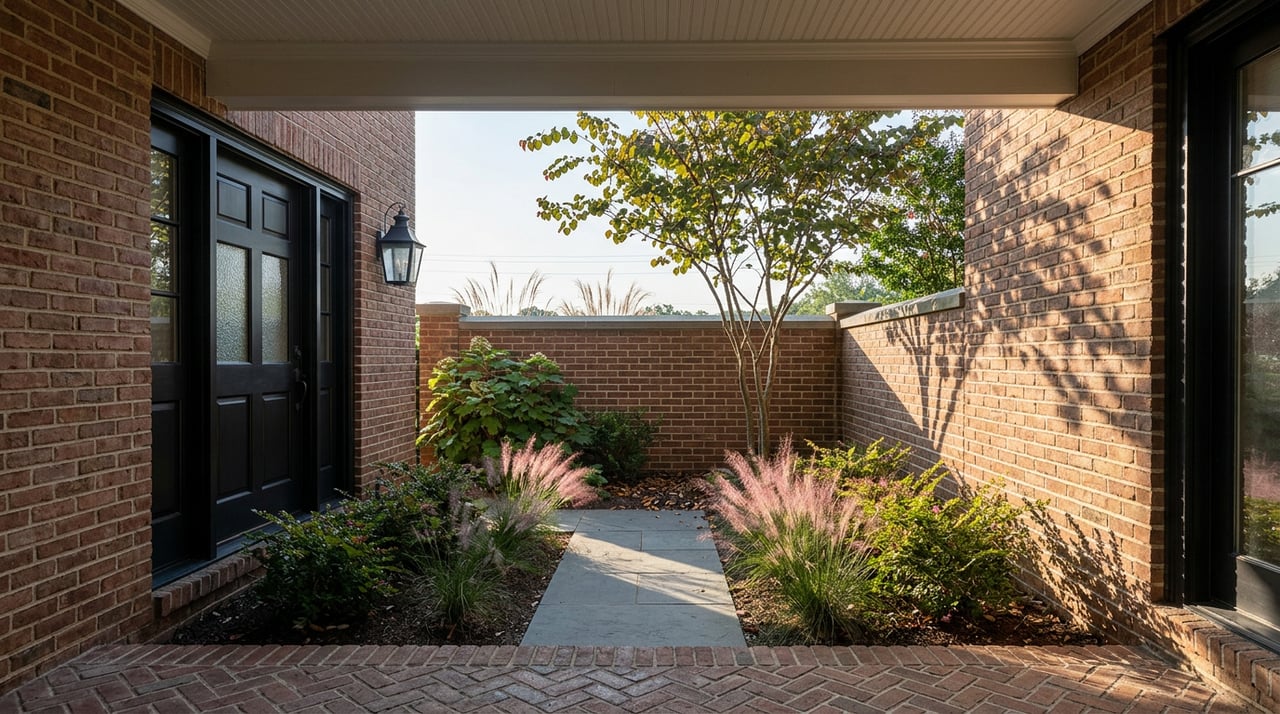
Oak Hill and Forest Hills are small, incorporated cities in Davidson County. The landscape is residential with large lots, mature trees, and rolling hills. You see a mix of mid-century homes, updated estates, and custom new construction on larger parcels.
You can commute to the Nashville core and major job centers in roughly 30 to 45 minutes depending on traffic and exact location. Public transit is limited compared to inner-city neighborhoods, so most residents rely on driving. The low-density feel and limited commercial development help maintain the area’s quiet setting.
Why choose country club living here
If you want a blend of privacy and recreation, country club living near Oak Hill and Forest Hills fits well. You can enjoy outdoor amenities and social programming while keeping a low-key home life. Many buyers appreciate the combination of club access, scenic surroundings, and the convenience of reaching Nashville’s dining, entertainment, and cultural venues.
Club proximity can also influence long-term value. Homes with course views, larger lots, or short golf-cart access to amenities often attract steady demand. Limited new supply and preservation of open space can support premiums over time.
Club amenities you can expect
While each club sets its own standards, you typically find a mix of golf, racquet sports, dining, fitness, and social events. Always confirm details directly with each club.
- Golf: 18-hole courses, practice facilities, and pro shops
- Clubhouse: casual and formal dining, private events, and member gatherings
- Racquet and fitness: tennis and paddle courts, fitness centers, and group classes
- Aquatics: indoor or outdoor pools and seasonal activities
- Youth programs: junior golf, summer camps, and clinics
- Social calendars: leagues, charity tournaments, and member events
- Reciprocal privileges: select private clubs may offer partner-club access
If a home is located within a gated enclave tied to a club, there may be architectural standards and preferred-builder relationships that shape neighborhood consistency and curb appeal.
Home types near clubs
In Oak Hill and Forest Hills, you will see:
- Estate homes on 1-plus acre lots
- Renovated mid-century properties with expanded outdoor living
- New custom luxury builds on infill lots
- Limited townhomes or condos near certain facilities
The common thread is low-density living and mature landscaping. Many homes lean toward privacy and outdoor spaces designed for entertaining.
Value drivers to watch
Understanding what truly moves value near clubs will help you compare properties and plan improvements that pay off.
Course frontage and views
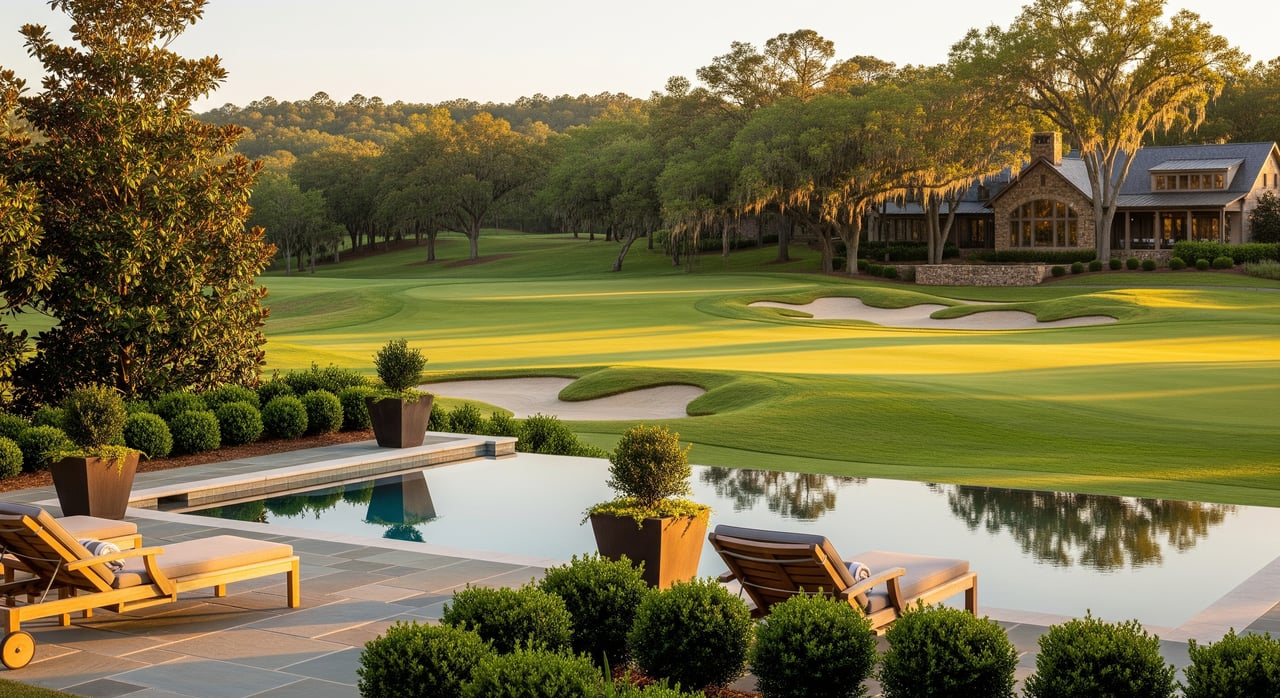
Direct golf course frontage or exclusive views can command a premium. Buyers seeking a sport and social lifestyle often prioritize these sightlines and outdoor gathering spaces.
Lot size and setting
Larger parcels with established trees and thoughtful siting tend to perform well. Privacy hedges, usable lawn, and functional patios can elevate both enjoyment and resale.
Proximity to amenities
Homes near the clubhouse, pool, or practice facilities can be especially attractive for active households or those who host frequently. Convenience counts when you live the club lifestyle.
Supply constraints
There are only so many lots adjacent to or close to clubs, and local preservation of open space can limit new supply. Scarcity often supports long-term value for well-positioned homes.
Membership clarity
If a membership is transferable or if initiation is waived during a sale, that can add perceived value. Always verify membership terms directly with the club before assuming any benefit.
Buying checklist for club-adjacent homes
Use this list to focus your due diligence and avoid surprises.
- Membership availability and costs: Confirm initiation fees, monthly or annual dues, food minimums, and waitlists. Ask what each membership tier includes.
- HOA and architectural rules: If the property is in a gated or managed enclave, review covenants and any design review requirements.
- Easements and setbacks: Along course edges or shared areas, check for access easements, fence rules, and maintenance responsibilities.
- Environmental and drainage: Understand irrigation impacts, fertilizer or herbicide practices, and stormwater flow. Consider targeted inspections.
- Property taxes and assessments: Verify tax details with the Davidson County Assessor and ask about any special assessments.
- School zones and commutes: Confirm Metro Nashville Public Schools attendance zones for the specific address and map your commuting routes.
- Noise and activity: Visit at different times of day to gauge event traffic, maintenance schedules, and general activity levels.
- Insurance considerations: Inquire about coverage needs for larger lots, specialty structures, or unique site conditions.
- Resale outlook: Request comps for course-front versus non-course homes nearby to understand current market differentials.
Selling strategies that add impact
When you sell a home near a club, documentation and presentation matter.
- Clarify membership: Provide buyers with written confirmation of membership options, transferability, costs, and waitlist status if applicable.
- Showcase lifestyle: Highlight golf-cart routes, proximity to practice facilities, outdoor kitchens, and patios with course views.
- Prep the exterior: Prioritize landscape grooming, pressure washing, and seasonal color. Make sightlines from main rooms to the course clean and intentional.
- Provide property records: Share survey, easements, HOA documents, and any architectural approvals for additions or renovations.
- Market the experience: Use concise copy and high-quality visuals to convey privacy, recreation, and convenience in one narrative.
Zoning and permits snapshot
Oak Hill and Forest Hills are incorporated cities within Davidson County. Municipal responsibilities can vary, with many services operating through Metro Nashville. Before you renovate or build, confirm which office handles your permits and inspections.
Check zoning and land-use maps for allowable uses, lot coverage, and any overlays that might affect your plans. If the property sits in a floodplain or steep-slope area, expect additional setbacks, engineered site work, or other requirements to ensure safety and stability.
Lifestyle beyond the clubhouse
While the cities themselves remain residential, you are a short drive from shopping and dining in surrounding Nashville neighborhoods and suburban centers. Many residents also use nearby parks, private trails, and greenways for everyday recreation.
Public school attendance zones are managed by Metro Nashville Public Schools and can change. Several private schools serve the greater Nashville area as well. Families often weigh commute times and daily logistics when selecting a home.
Is country club living right for you
Consider how you plan to use the amenities and how you live day to day. If you value privacy, purposeful outdoor spaces, and a ready-made social calendar, a club-adjacent property can be a strong fit. If you need immediate membership access, ask detailed questions about timing, tiers, and waitlists.
You should also weigh maintenance and design rules. Architectural covenants and HOA guidelines can be a positive for long-term aesthetics, but they do shape choices on fencing, exterior finishes, and additions. A thoughtful review now leads to fewer surprises later.
Ready to compare specific neighborhoods and narrow your shortlist? Begin a private consultation with Heather Hamel to map the right club options, vet membership details, and preview on- and near-course homes with confidence.
FAQs
How does country club proximity affect home value in Oak Hill and Forest Hills
- Properties with direct course frontage, exclusive views, larger lots, and easy access to amenities often command a premium, with scarcity supporting long-term value.
What membership costs should I plan for when buying near a club
- Expect initiation fees, monthly or annual dues, potential food minimums, and program-specific costs; verify current pricing and waitlists directly with each club.
Are club memberships included when I purchase a club-adjacent home
- Memberships are rarely included automatically; confirm if transfer options exist or if you must apply independently through the club.
What due diligence is unique to owning along a golf course
- Review easements and setbacks, assess drainage and irrigation impacts, verify HOA rules, and consider environmental inspections specific to course adjacency.
Will living near a club affect my renovation plans
- Architectural covenants, HOA rules, and city or metro permitting can guide exterior changes; check design review processes and required approvals before starting.
How is the commute from Oak Hill and Forest Hills to downtown Nashville
- Most residents drive, with typical commute ranges under 30 to 45 minutes depending on route and time of day, while public transit is limited in these areas.