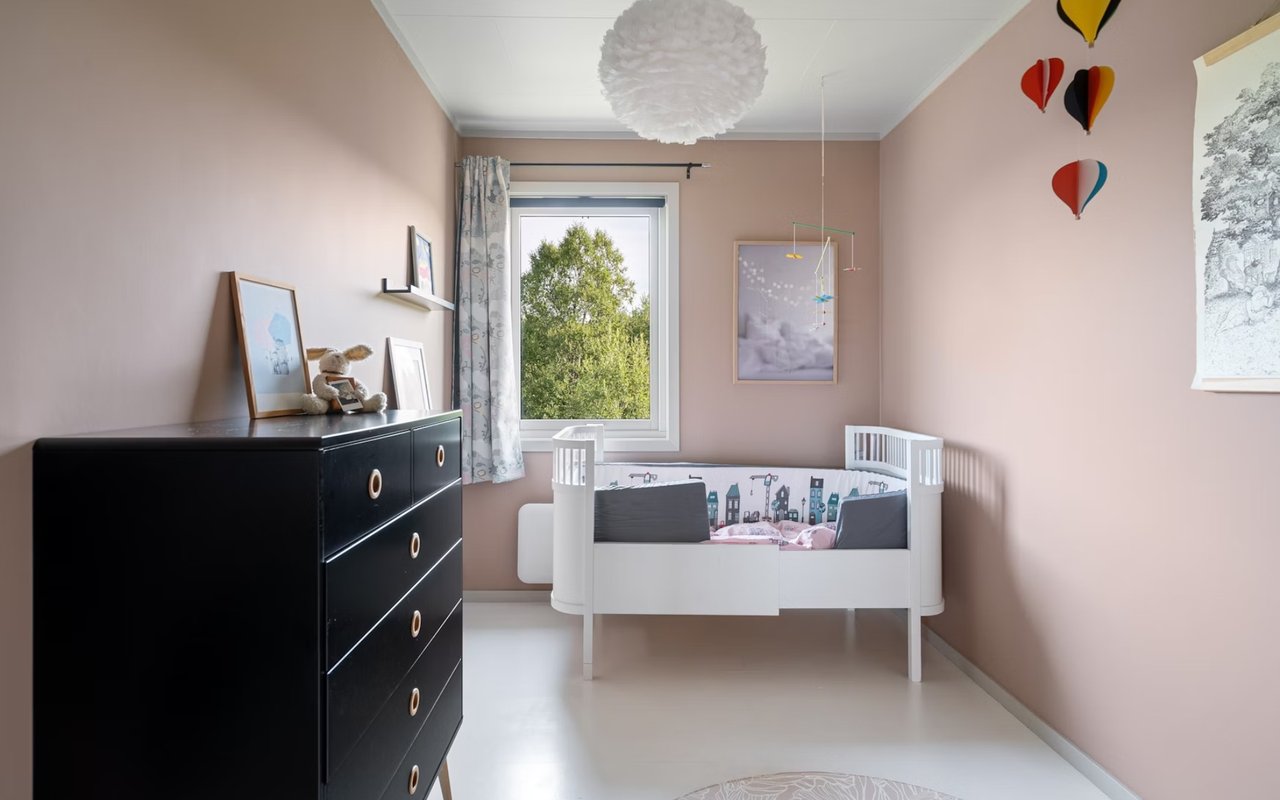
Creating a home that’s safe for children doesn’t mean sacrificing style or comfort—it means being proactive, thoughtful, and aware of potential risks that are easy to overlook as adults. Whether you’re expecting your first baby or already have a house full of toddlers and teens, making your home safe is a continuous process. From babyproofing basics to outdoor precautions, child safety measures can give you peace of mind while allowing kids to explore and grow in a nurturing space. If you’re living in a family-oriented community like Nashville, TN, safety becomes just as important as aesthetics and location. Let’s explore a room-by-room guide to making your home safe, functional, and fun for children of all ages.
Start with a Whole-Home Safety Scan
Before diving into specific rooms, walk through your entire house with “child’s-eye vision.” Get down on your hands and knees and look for anything within reach that could be a hazard—loose cords, exposed outlets, breakable items, sharp edges, or choking hazards. Consider making a checklist of high-risk areas to address. It’s a great way to assess your home objectively, especially if you’ve just moved into a new property in Nashville, TN.
Anchor Furniture and TVs
Tip-over accidents are among the most common and dangerous injuries for young children. Tall furniture like dressers, bookshelves, and TV stands should be anchored securely to the wall using anti-tip brackets. TVs should either be wall-mounted or placed on stable furniture, well out of a child’s reach. This simple step can prevent serious injuries and even save lives.
Cover Electrical Outlets and Hide Cords
Little fingers are naturally curious, which makes electrical outlets a top priority. Use plug covers for all unused outlets and consider sliding plate covers for outlets that are regularly accessed. For electronics and appliances, secure any loose cords with cord organizers or covers, and keep surge protectors and extension cords out of sight.
Use Safety Gates and Door Locks
Install baby gates at the top and bottom of staircases and in doorways to block access to unsafe rooms. Choose gates that are hardware-mounted for high-risk areas like stairs. Add childproof locks to cabinets, drawers, and doors that contain cleaning supplies, tools, or medications. In Nashville, TN, homes with open floor plans, gates and locks are crucial for keeping little ones safely contained in designated play areas.
Secure Windows and Install Guards
Windows pose a major fall risk, especially on upper floors. Install window guards or safety stops that prevent them from opening more than four inches. Avoid placing furniture near windows to prevent climbing. Don’t forget to secure window blinds—opt for cordless designs, or use cord wind-ups to eliminate the strangulation hazard posed by dangling strings.
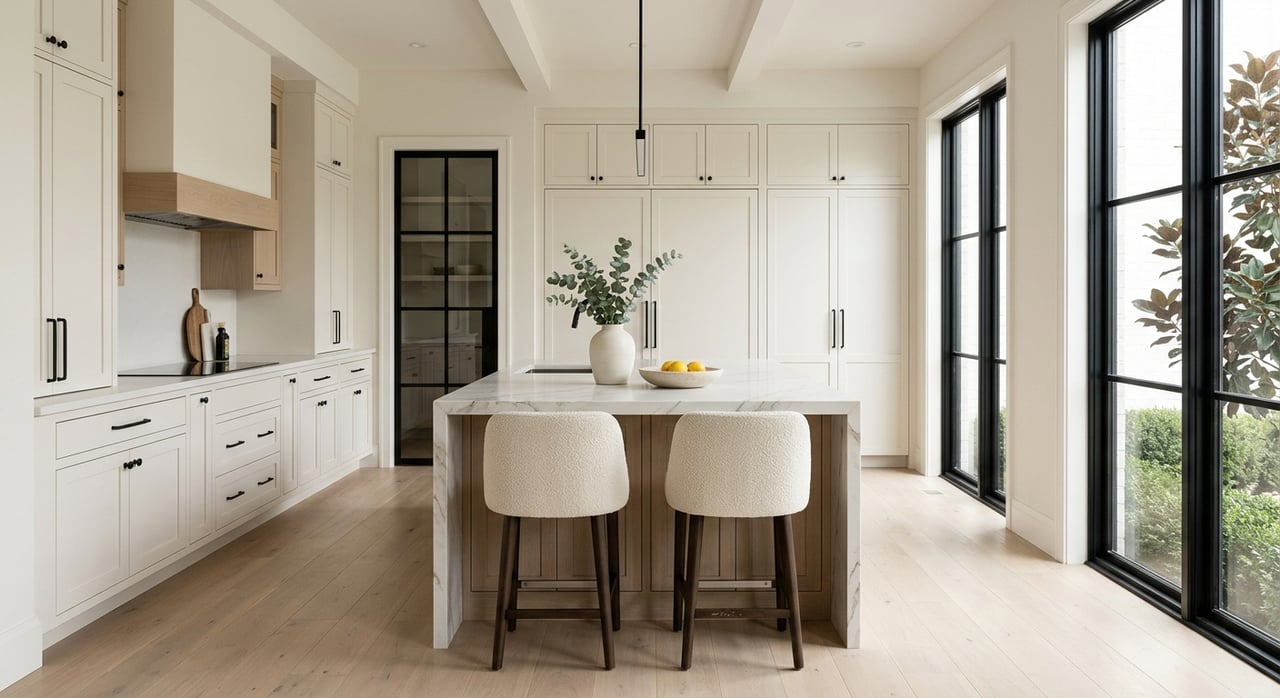
Childproof the Kitchen
Kitchens are full of hot surfaces, sharp tools, and breakables—making them one of the most dangerous places for small kids. Use stove knob covers, keep pot handles turned inward while cooking, and lock up dishwashers and oven doors. Store knives and heavy cookware in high cabinets. For added safety, consider a “no kids while cooking” rule and use a baby gate to block off the kitchen when needed.
Make Bathrooms Safe Zones
Bathrooms can be slippery and full of hazards, so childproofing here is essential. Place non-slip mats in the tub and on the floor, and install a spout cover to protect little heads from bumps. Keep all medications, razors, and cleaning products in locked cabinets. Add a toilet lock if you have a toddler who’s fascinated by flushing. And never leave a child unattended in the bath, even for a few seconds.
Keep Bedrooms Comfortable and Safe
Your child’s bedroom should be a cozy, secure space. For infants, use a crib that meets current safety standards—no drop sides, bumpers, or excess bedding. Anchor dressers and bookshelves, and secure cords from baby monitors or lamps. If your child is transitioning to a toddler bed, install guardrails to prevent falls, and add a nightlight for nighttime navigation.
Watch Out for Choking Hazards
Choking is a major concern, especially for infants and toddlers. Keep small objects—like coins, batteries, jewelry, and toy parts—well out of reach. Regularly inspect toys for wear and tear, and only allow age-appropriate items. If you’re hosting visitors with older kids or living in a multigenerational household, pay extra attention to what’s accessible at ground level.
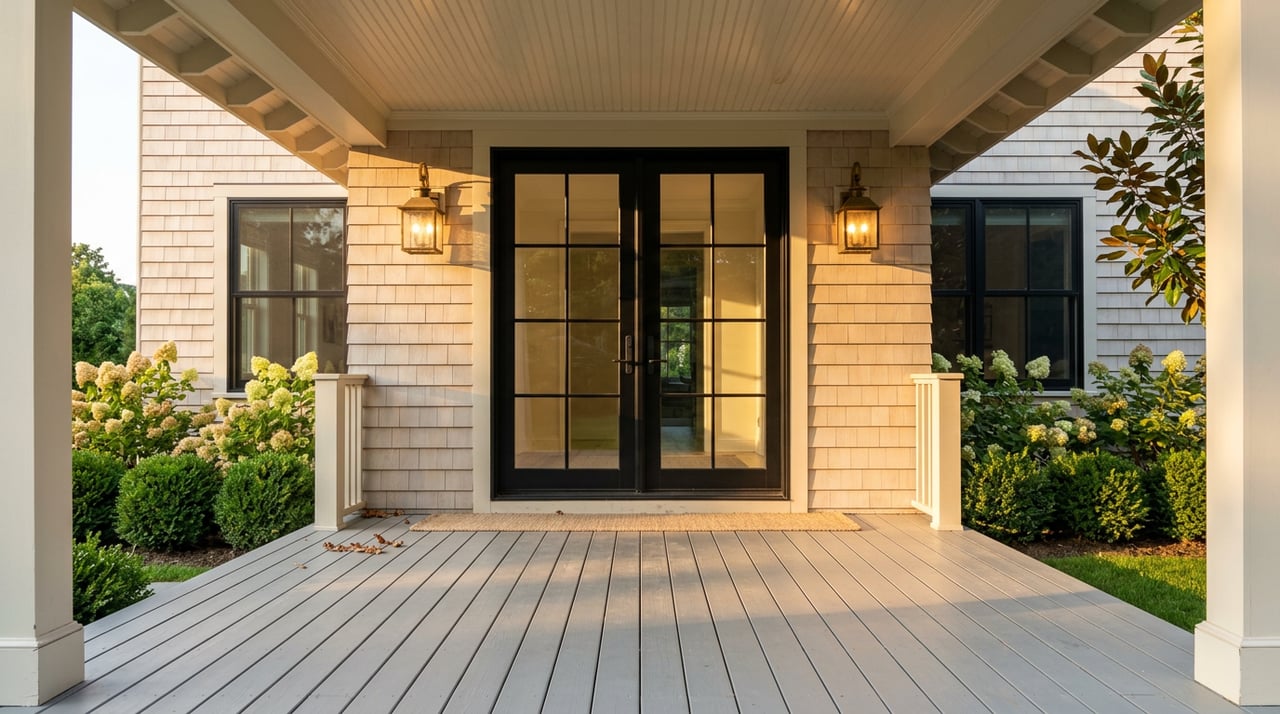
Safety Outside Starts at the Front Door
If you have a yard, deck, or patio, take steps to childproof these areas as well. Install secure fencing with a self-closing, self-latching gate. If you have a pool, use a safety cover and alarm, and always supervise when children are nearby. Store gardening tools, pesticides, and outdoor equipment in a locked shed or garage. In family-friendly neighborhoods like Nashville, TN, outdoor safety is key for active households.
Don’t Forget About Fire and Emergency Safety
Have working smoke detectors and carbon monoxide alarms on every level of your home and outside all sleeping areas. Practice fire drills with older children, and show them how to crawl low in smoke and identify escape routes. Keep a fire extinguisher in the kitchen and make sure everyone in the house knows how to use it. Prepare an emergency contact list and display it somewhere easy to access.
Keep It Safe—But Not Scary
While it’s important to childproof thoroughly, remember that safety should still feel like freedom to a child. The goal is to create a secure environment where kids can explore, play, and grow with confidence—not feel restricted or overwhelmed. As your child grows, revisit your safety checklist regularly and adjust accordingly.
Safe Homes Build Strong Futures
Home safety isn’t a one-time task—it’s an ongoing commitment that evolves as your family grows. Whether you’re preparing for a new baby, welcoming toddlers into your world, or managing the chaos of school-aged children, creating a safe home helps nurture independence while protecting your loved ones. In thriving family communities like Nashville, TN, a child-safe home also boosts your property’s appeal to future buyers who prioritize family-friendly features.
Building a Safe Home Starts with the Right Guide
Whether you’re buying your first family home or upgrading to a space that better fits your growing needs, work with Heather Hamel for expert insight and support. Heather understands what families in Nashville, TN, are looking for—and she can help you find homes with safety features already in place or guide you on how to implement them.
Contact Heather Hamel today to explore properties that meet your family’s safety, comfort, and lifestyle goals with confidence.
Contact Heather Hamel today to explore properties that meet your family’s safety, comfort, and lifestyle goals with confidence.