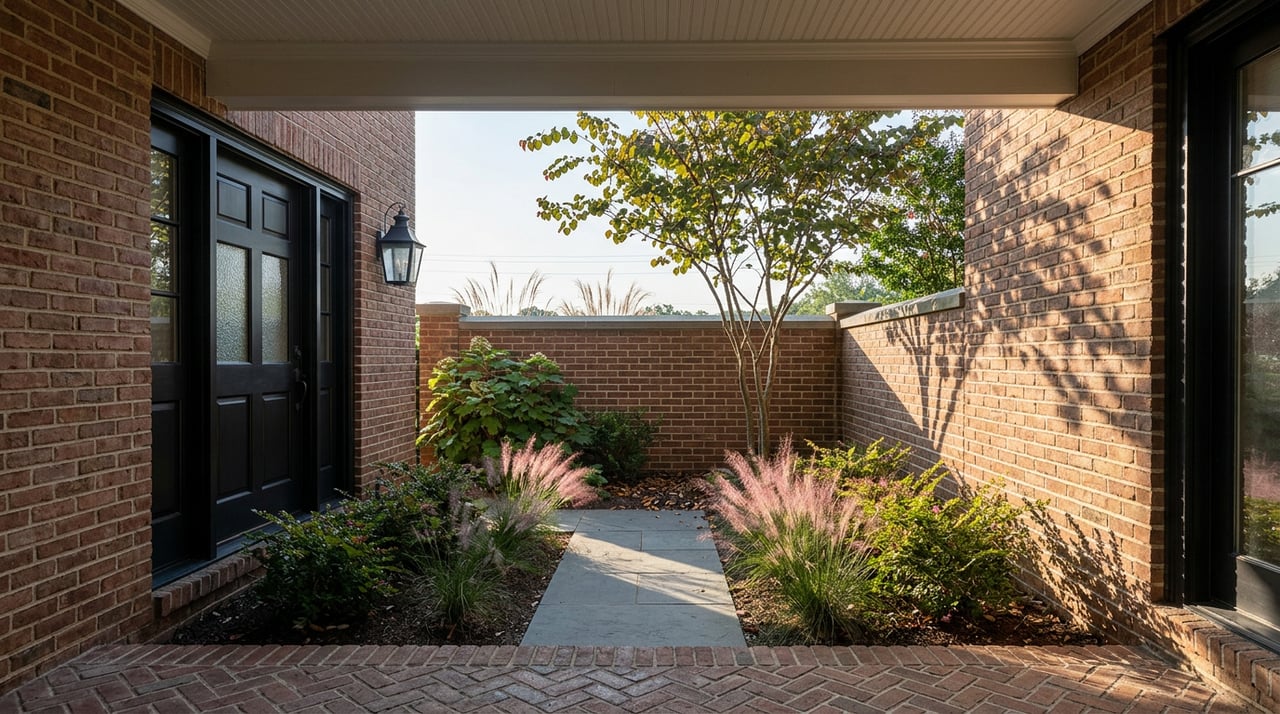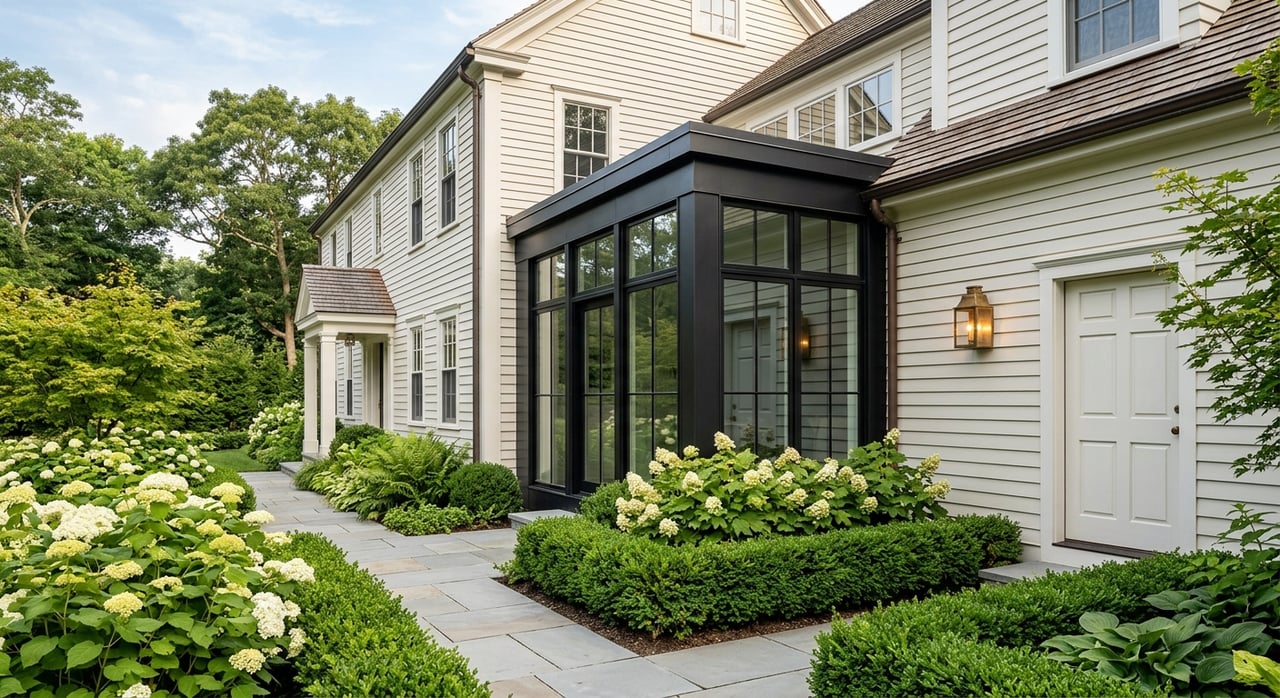
Thinking about updating a Belle Meade home, but worried a renovation could strip away the very details that made you fall in love with it? That tension is real in a neighborhood where architecture, site design, and streetscape character carry lasting value. The good news is that modern comfort and historic character do not have to compete if your plan respects how Belle Meade wants homes to evolve. Let’s look at how to modernize thoughtfully, what the city pays close attention to, and where today’s updates fit best.
Why Belle Meade renovations need care
Belle Meade’s residential identity has deep roots. The Belle Meade Land Company began laying out streets and lots for residential development in 1906, and the city’s housing stock today includes Neo-Classical, Colonial Revival, Georgian Revival, Tudor Revival, and later Ranch homes.
That mix helps explain why renovation decisions feel more consequential here than in many neighborhoods. Belle Meade has worked to preserve a strong sense of place, and its citywide Conservation Overlay and Historic Zoning Commission are designed to protect that visual character while still allowing change.
The city also recognizes that not every older home fits into the same category. Its guidance distinguishes between properties of significance, which are generally pre-1939 homes with historic integrity, and properties worthy of conservation, which are typically post-1939 homes that still contribute to Belle Meade’s overall character through design, scale, and materials.
What modernizing can look like
A successful Belle Meade renovation usually starts with a simple shift in mindset. Instead of asking how much of the house you can change, it helps to ask how you can improve the way the home lives while keeping its dominant form, front-facing character, and architectural rhythm intact.
That approach aligns with how the city views renovation. Belle Meade’s guidelines allow contemporary design, but they expect massing, scale, proportions, and materials to remain compatible with neighboring historic properties.
In practical terms, that means the best updates often happen in places that are less visible from the street. Interior reworking, rear additions, carefully scaled side additions, and discreet site improvements tend to offer the most flexibility.
Start with the front elevation
If you are deciding where to spend money and where to be cautious, the front of the house is usually the clearest answer. Belle Meade places strong emphasis on preserving front-elevation character, including porch relationships, window proportions, roof forms, and street orientation.
That is why a renovation can feel highly successful even when the front looks almost unchanged. In many cases, the smartest move is to preserve the public face of the home while allowing more meaningful updates behind it.
The city specifically discourages enclosing a front porch, stoop, or entry. By contrast, some side-porch or attached-garage enclosures may be acceptable depending on the design and review.
Focus on kitchens first
If your goal is to make an older Belle Meade home work better for daily life, the kitchen is often the natural starting point. National renovation data from Houzz shows that 24% of renovating homeowners updated kitchens in 2024, making it one of the most common project types.
That trend makes sense in Belle Meade too, but the way you approach the project matters. Expanding or reworking a kitchen is often more compatible when it reads as a secondary addition rather than a major change to the front-facing structure.
Houzz also found that 35% of kitchen renovators increased the kitchen footprint, often by borrowing space from dining rooms or living rooms. In Belle Meade, that can be a useful strategy if it lets you improve function without disrupting the home’s exterior character.
Smart kitchen moves in Belle Meade
- Reconfigure adjacent interior rooms before expanding outward
- Place additions to the rear when possible
- Keep the original house visually dominant
- Avoid obscuring character-defining features
- Choose exterior materials that feel compatible with the existing home
A kitchen can become brighter, more open, and more usable without making the house feel architecturally unmoored. That balance is often the hallmark of a well-executed Belle Meade renovation.
Update bathrooms with discretion
Bathrooms are just as common as kitchens in current renovation activity. Houzz reports that 24% of renovating homeowners updated bathrooms in 2024, and homeowners increasingly want wellness-oriented features such as upgraded lighting, soaking tubs or spa baths, spacious showers, storage, and natural light.
In a Belle Meade home, those goals are usually easiest to achieve when bathroom changes are tucked into less visible parts of the floor plan. A larger primary bath or suite can be appealing, but once you expand square footage, the project often begins to function more like an addition than a simple remodel.
That is where Belle Meade’s design principles become especially relevant. Additions should remain secondary in size and scale, ideally be placed to the rear, and be designed so they could be removed later with minimal impact.
Primary suite planning tips
- Keep expansions rear- or side-oriented when possible
- Avoid overpowering the original roofline and massing
- Preserve the home’s established window rhythm on prominent elevations
- Treat reversibility as a design advantage, not a limitation
Outdoor living should respect the site
Outdoor improvements are a major part of how homeowners modernize today. Houzz notes that common outdoor projects include lighting, irrigation, patios or terraces, fences, and decks, with outdoor kitchens also gaining interest.
In Belle Meade, outdoor living upgrades can work beautifully, but the house is only part of the equation. The city treats the site itself as part of neighborhood character, which means topography, trees, grading, and vegetation all deserve careful attention.
That matters whether you are planning a terrace, pergola, pool area, fence, or built-in outdoor kitchen. A polished result in Belle Meade usually feels integrated into the landscape rather than dropped onto the lot as a stand-alone feature.
Outdoor upgrades that need extra planning
- Patios and terraces
- Decks and pergolas
- Fences and gates
- Pools and pool surrounds
- Outdoor fireplaces and kitchens
- Irrigation and exterior lighting
The city is also protective of trees. Belle Meade’s tree ordinance requires a permit for tree removal and includes standards for replacement trees when applicable.
Materials and details still matter
Even when a renovation is clearly new, it should still feel appropriate to the house and the street. For larger projects, Belle Meade’s guidelines call for traditional forms and high-quality materials, with attention to roof forms, setbacks, street orientation, window proportions, and porch placement.
Gable and hipped roof variations are described as most appropriate. For new construction and substantial additions, the city prefers stone, brick, or concrete foundations; wood or cementitious siding; wood or high-quality composite windows on front elevations; and traditional roof materials and colors.
The guidelines also discourage vinyl or aluminum siding, synthetic stone, contractor-grade window frames, and front-facing utility clutter. Mechanical equipment should be placed at the back of the building or otherwise screened.
Know what may trigger review
One of the most helpful things to understand early is that not every renovation is treated the same way. Belle Meade asks owners to contact the Planning Department before starting any building project, including interior renovations.
The city issues permits for new homes, additions, demolition, plumbing or mechanical work, interior and exterior renovation, decks, fences, pools, outdoor fireplaces, and similar projects. Applicants are also asked to bring scaled plans, site plans, and material information, and applicants or their representatives must appear in person for board review meetings when required.
The review process may involve staff review, Historic Zoning Commission review, or both. More complex or permanent work, especially demolition, new construction, and extensive alterations, is more likely to be routed into HZC review.
Interior work versus exterior work
This is where many homeowners find some relief. Interior changes are exempt from Certificate of Appropriateness review, which means the city is not trying to regulate every cosmetic update inside the home.
At the same time, you should not assume interior work is outside the city’s process altogether. Belle Meade still asks owners to check with Planning first because other permit and zoning requirements may apply.
Exterior work is where the city is most focused on compatibility and neighborhood impact. If your project changes the appearance, footprint, site, or overall presence of the home, expect closer review.
Projects more likely to trigger review
- Additions
- Demolition
- New construction
- Visible exterior renovation
- Tree removal
A practical renovation approach
If you want to modernize a Belle Meade home with confidence, a measured process usually leads to the best outcome. The goal is not just approval. It is creating a home that lives better today while still feeling anchored to Belle Meade’s architectural language.
A thoughtful workflow often looks like this:
- Identify what truly is not working. Focus on function first, such as kitchen flow, bathroom layout, storage, or outdoor use.
- Separate interior goals from exterior impact. You may be able to solve more than expected without altering the public-facing character of the home.
- Study the house before drawing additions. Roof shape, porch placement, window rhythm, and massing should guide the design.
- Place changes where they read as secondary. Rear and less visible areas often offer the cleanest path.
- Talk with Belle Meade Planning early. Early guidance can help you avoid expensive redesigns later.
Why this matters for long-term value
In Belle Meade, character is not just aesthetic. It is part of how the neighborhood holds identity over time. Renovations that respect scale, materials, and site design tend to feel more settled, more intentional, and more aligned with buyer expectations in a legacy market.
That does not mean your home has to stay frozen in time. Belle Meade’s own architectural history shows that evolution has always been part of the story. The key is making updates that feel additive rather than disruptive.
If you are considering buying, selling, or renovating in Belle Meade, clear local guidance can make the process far more manageable. For a discreet, informed conversation about how renovation choices may affect positioning and value, begin a private consultation with Heather Hamel.
FAQs
Can you modernize a Belle Meade home without losing its character?
- Yes. In Belle Meade, modernization is most successful when it respects original massing, roof shape, window rhythm, porch relationships, and materials.
Do all Belle Meade renovations require historic review?
- No. Interior changes are exempt from Certificate of Appropriateness review, but Belle Meade still asks homeowners to contact the Planning Department before starting any building project.
What renovation projects most often trigger Belle Meade review?
- Additions, demolition, new construction, visible exterior renovation, and tree removal are among the projects most likely to trigger city review or permit requirements.
What home updates are most common for Belle Meade renovations?
- Kitchens, bathrooms, and outdoor living spaces are the most common update categories supported by the research, and they often align well with how Belle Meade homeowners choose to modernize.
What exterior changes does Belle Meade view most carefully?
- The city pays close attention to front-elevation character, including porch relationships, roof forms, window proportions, materials, setbacks, and how additions relate to the original structure.