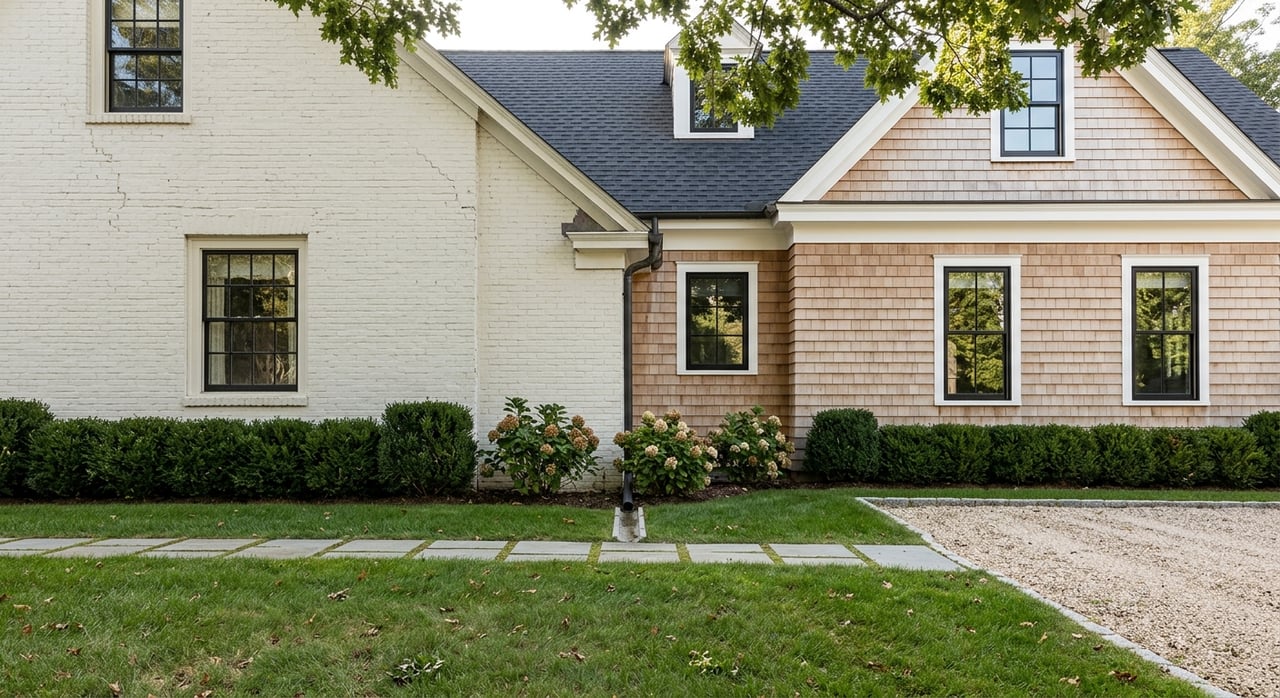
If you own a home in Belle Meade, or you are thinking about buying a property there, one question tends to shape everything: should you renovate, expand, or start over? In Belle Meade, that decision is rarely just about design preference or square footage. It is also about zoning, setbacks, review requirements, and whether the lot can realistically support your plan. This guide walks you through the key lot, renovation, and tear-down factors to evaluate before you make a move. Let’s dive in.
Why lot analysis matters first
In Belle Meade, the lot often drives the decision more than the house itself. A property may look like an ideal candidate for a large addition or a full rebuild, but the zoning district, setbacks, building envelope, and site conditions can quickly narrow what is possible.
That is especially important in a luxury market where expectations are high and inventory is limited. Recent market data shows Belle Meade remains a thin, high-end market, with Zillow reporting an average home value of $3,265,316. When values are this elevated, due diligence on lot fit becomes essential.
Belle Meade zoning basics
Belle Meade adopted a new zoning ordinance and map in September 2024, and the city says the code is now online and searchable. The city’s current materials describe five zoning districts:
- Estates A
- Estates B
- Residence A
- Residence B
- Residence C
The first four are intended to preserve estate or larger-lot character, while Residence C is meant for some of the smallest and more urban lots in the city. That means two homes with similar square footage can have very different expansion or redevelopment potential based on district alone.
Minimum lot standards
Belle Meade limits each lot to one principal dwelling and requires substantial minimum lot sizes. According to the city’s 2024 zoning rewrite materials, minimum lot area is:
- 200,000 square feet in Estates A
- 75,000 square feet in Estates B
- 70,000 square feet in Residence A
- 40,000 square feet in Residence B
- 20,000 square feet in Residence C
Minimum lot width is generally 125 feet in Estates A, Estates B, Residence A, and Residence B, and 120 feet in Residence C. These dimensions matter because they affect whether an addition, new home, or revised site plan will fit cleanly.
Setbacks can shape your options
In Belle Meade, setbacks are one of the most important filters in any renovation or tear-down analysis. Even on a large parcel, deep front and side yard requirements can reduce the usable building area more than many buyers expect.
The city’s zoning rewrite materials list front setbacks of 800 feet in Estates A, 125 feet in Estates B, 75 feet in Residence A and Residence B, and 65 feet in Residence C. The same materials also note that if a standard front setback cannot be applied, the city may use the average of nearby houses within 1,000 feet.
Side yards and envelope constraints
Side yard rules add another layer. Belle Meade generally requires side yards equal to 20 percent of lot width at the front setback line, with both side yards totaling at least 50 percent of that width.
The building envelope is also a meaningful planning constraint. Accessory structures generally must remain inside that envelope, and site plans are expected to show the envelope, topography, driveways, walls, and other improvements. In practical terms, a large lot does not automatically mean a large easy-to-build footprint.
Size limits go beyond lot area
Belle Meade also regulates building mass, not just lot dimensions. In Estates A, the footprint above natural grade plus garages may not exceed 8 percent of lot area. In every other district, it may not exceed 12 percent.
Floor-area ratio adds another cap. The maximum FAR is 0.17 in Estates A, Estates B, Residence A, and Residence B, and 0.225 in Residence C. Gross floor area cannot exceed 20,000 square feet citywide and cannot be less than 2,000 square feet.
Height limits matter too. Principal residences may not exceed 40 feet in height at the front building line, with a 50-foot maximum at the sides or rear, while accessory residential structures are capped at 18 feet.
When renovation is the simplest path
For many Belle Meade owners, an interior renovation is usually the most direct option. The city’s design guidelines say that interior renovation or remodel work that does not alter the exterior is exempt from Certificate of Appropriateness review.
That exemption can make a meaningful difference in timeline and complexity. If your goal is to improve layout, finishes, or livability without changing the exterior, you may avoid a more intensive layer of review.
Do not skip the planning call
Even with a simpler project, Belle Meade asks owners to contact the Planning Department before starting any building project, including interior renovations. The city notes that the Planning Director or Building Official can help with code compliance, and its permit page shows permits are issued for work ranging from renovations and additions to pools, fences, driveways, and demolition.
That early call can help you understand what approvals may apply before you commit to plans or pricing.
When additions become review-sensitive
An addition may feel like the middle ground between a light renovation and a full tear-down, but in Belle Meade it can still be a review-heavy process. Exterior alterations can sometimes be handled administratively, yet additions typically move into Historic Zoning Commission review under the city’s design guidelines.
That does not mean additions are uncommon. In fact, the city’s 2024 Building and Zoning Year in Review shows 29 HZC cases, including 15 additions, 8 new construction matters, and 3 demolitions. The same report shows the BZA heard 42 cases, including 13 addition variances.
Variances can affect timing
Those numbers suggest additions are often possible, but not always straightforward. If an expansion pushes against setbacks, lot coverage, topography, driveway configuration, retaining walls, or pool placement, you may be looking at redesign work or variance requests.
In Belle Meade, many property decisions come down to whether the project can fit the lot cleanly enough to avoid repeated revisions and a longer review cycle.
What makes tear-downs more complex
A tear-down and rebuild can be feasible in Belle Meade, but it is not a light-lift process. Demolition is more than a standard permit decision because the city’s design guidelines require a deeper level of documentation and presentation.
For demolition review, the city asks applicants to provide:
- A condition report from a licensed professional
- Historic background and archival research
- A plan for salvaging historic materials
- Survey materials and photos
- A presentation to the Historic Zoning Commission
That review framework can add time, cost, and uncertainty to a project. If you are comparing a major renovation to a tear-down, this is often where the difference becomes most visible.
New permit fencing requirement
As of March 15, 2026, Belle Meade also states that demolition and new-construction permits require a locking 6-foot to 8-foot opaque fence around the property or construction area before the permit is issued. That is another practical detail worth building into your project planning.
Trees and land disturbance matter
In Belle Meade, site work can be just as important as the house plans. The city requires land disturbance permits for many redevelopment scenarios, including disturbance areas of 10,000 square feet or more, pool construction under 10,000 square feet, acre-scale projects, floodplain work, and some city-designated priority areas.
The tree ordinance also applies when you pull a building or land disturbance permit. A tree-removal permit is required before removing trees, and the permit checklist asks for tree inventory information, including trees four inches or larger in caliper.
For buyers and owners alike, this matters because a lot’s buildability is not just about dimensions on paper. Mature trees, grading, drainage, and disturbance thresholds can all affect the final scope and cost.
How resale and underwriting fit in
Belle Meade is a luxury market, but it is also a thin market. Alongside Zillow’s average value data, the research report notes that Redfin reported a January 2026 median sale price of $4.35 million, with homes selling in 77 days, while Realtor.com reported a median listing price of $6.3 million, 16 active listings, and 94 median days on market.
In a market like this, buyers, lenders, and developers may care as much about entitlement risk and lot fit as they do about finishes. A property that supports a clean addition or rebuild within the rules may underwrite differently than one that appears attractive but is likely to trigger multiple approvals, tree issues, or variance requests.
Architectural fit still matters
Belle Meade’s conservation overlay and Historic Zoning Commission system are intended to preserve architectural character, ensure compatibility, and stabilize property values. That is an important signal for anyone planning major exterior change.
In other words, resale value is not only about building larger. In Belle Meade, scale, setbacks, streetscape fit, and review compatibility can all influence how a finished project is received in the market.
A practical due diligence checklist
Before you commit to a renovation, addition, or tear-down in Belle Meade, it helps to work through a disciplined checklist. The city’s framework suggests focusing on these questions first:
- What is the property’s zoning district?
- Is the lot affected by the conservation overlay or other review requirements?
- What are the legal lot area, width, setbacks, and building envelope?
- Does the project change the exterior?
- Will trees, grading, stormwater, or land disturbance permits come into play?
- Is HZC, BZA, or another layer of review likely?
- Does the finished-product assumption align with current luxury market data?
You can start by reviewing the city’s building zones and map resources and speaking with the planning staff before finalizing your path.
The bottom line for Belle Meade owners
In Belle Meade, interior renovations are generally the simplest option, additions are often possible but highly review-sensitive, and tear-down opportunities depend on whether the lot can absorb the city’s dimensional rules and design-review process. The key is to evaluate the lot first, then match your design goals to the approval path the property is most likely to support.
If you are buying, selling, or evaluating an estate property in Belle Meade, a careful review upfront can save you time and help you make a more confident decision. For discreet, consultative guidance tailored to luxury homes and estate properties, Heather Hamel can help you think through the property, the market, and the path that best fits your goals.
FAQs
What zoning rules matter most for Belle Meade lots?
- The most important starting points are the property’s zoning district, minimum lot area and width, front and side setbacks, building envelope, footprint limits, floor-area ratio, and height limits.
What renovation projects in Belle Meade are usually simplest?
- Interior remodels that do not change the exterior are generally the simplest because the city says they are exempt from Certificate of Appropriateness review.
What approvals might a Belle Meade addition require?
- A Belle Meade addition may require permit review and often Historic Zoning Commission review, and some projects may also need variances depending on setbacks, walls, driveways, pools, or other site constraints.
What makes a Belle Meade tear-down more complicated?
- A Belle Meade tear-down is more documentation-heavy because demolition applicants may need a licensed condition report, historic background research, salvage planning, photos, survey materials, and an HZC presentation.
How do trees affect Belle Meade redevelopment plans?
- Trees can affect redevelopment because Belle Meade requires a tree-removal permit before removing trees, and tree inventory information may be required when applying for building or land disturbance permits.
Why does lot fit matter so much in Belle Meade resale decisions?
- Lot fit matters because in a thin luxury market, buyers and underwriters may weigh zoning compliance, review risk, setbacks, and architectural compatibility alongside the home’s finishes and size.