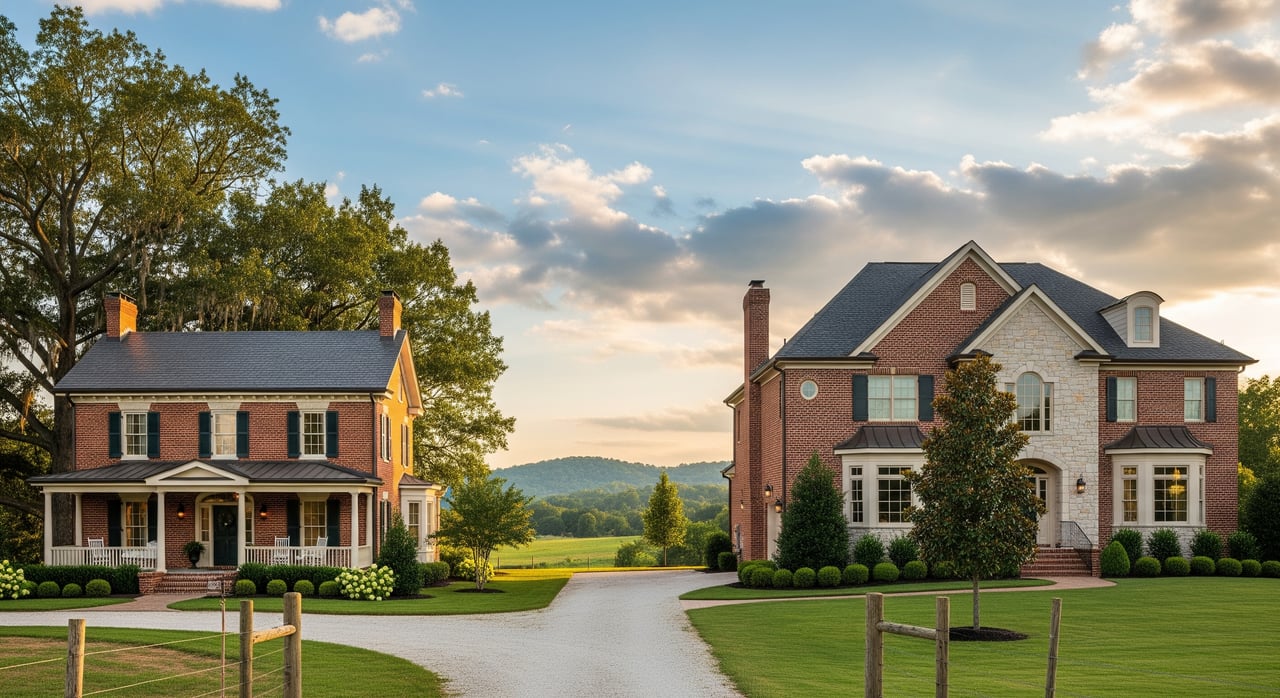
Thinking about Franklin or Brentwood but not sure which market fits you best? You’re not alone. These neighboring Williamson County cities both offer strong quality of life and access to Nashville, yet they feel and perform differently. In this guide, you’ll learn how pricing, housing styles, lot sizes, commutes, schools, amenities, and regulations compare so you can move forward with clarity. Let’s dive in.
At a glance: how the markets differ
Both Franklin and Brentwood attract high demand, but they serve different priorities. Brentwood is generally higher priced with larger lots and a quieter suburban feel. Franklin offers more variety, from historic homes and downtown condos to active new construction and mixed-use development. For buyers, that usually means Brentwood emphasizes privacy and custom luxury while Franklin provides broader options and walkability near a vibrant downtown.
Pricing and market metrics
Pricing patterns tend to tilt higher in Brentwood across median sale price and price per square foot. Franklin can outpace Brentwood in certain micro-markets, especially near the historic downtown or new, amenity-rich developments. Both cities follow regional seasonality that tracks Nashville’s job market and mortgage rate movements. If you’re buying or selling now, focus on up-to-the-minute MLS indicators like median price, days on market, months of inventory, and percentage of list price received for your specific neighborhood and product type.
Housing styles and lot characteristics
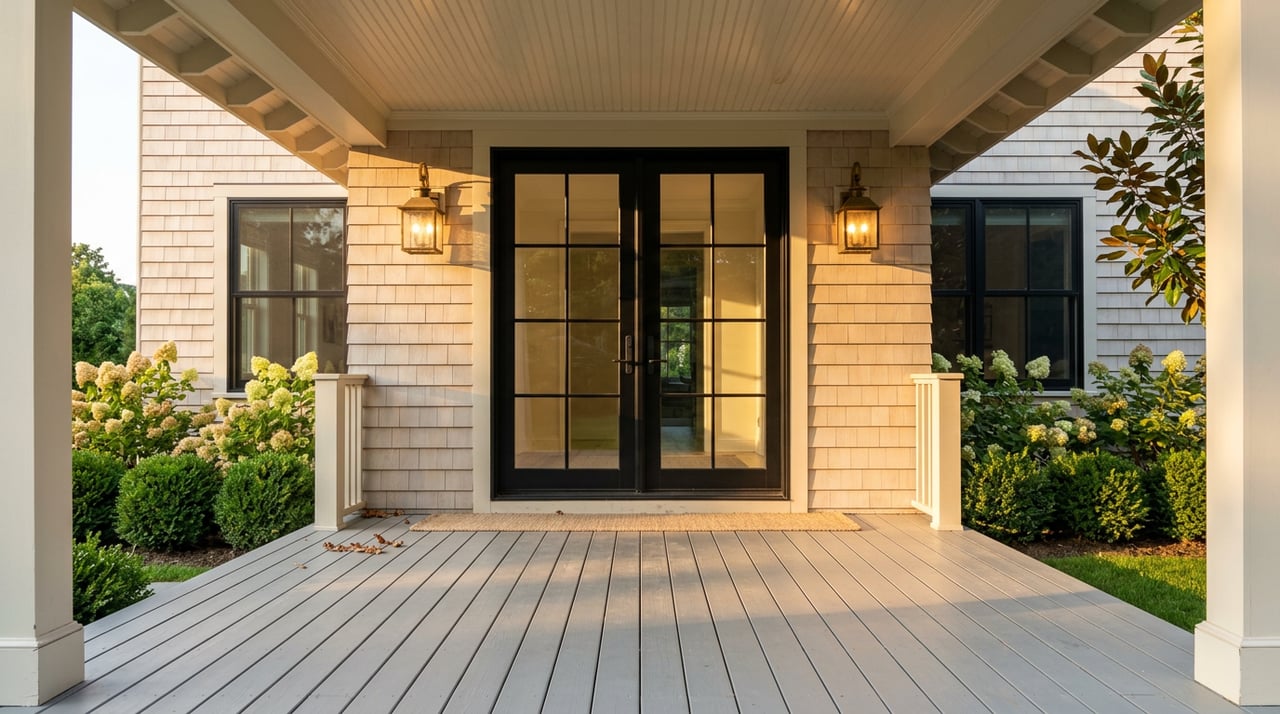
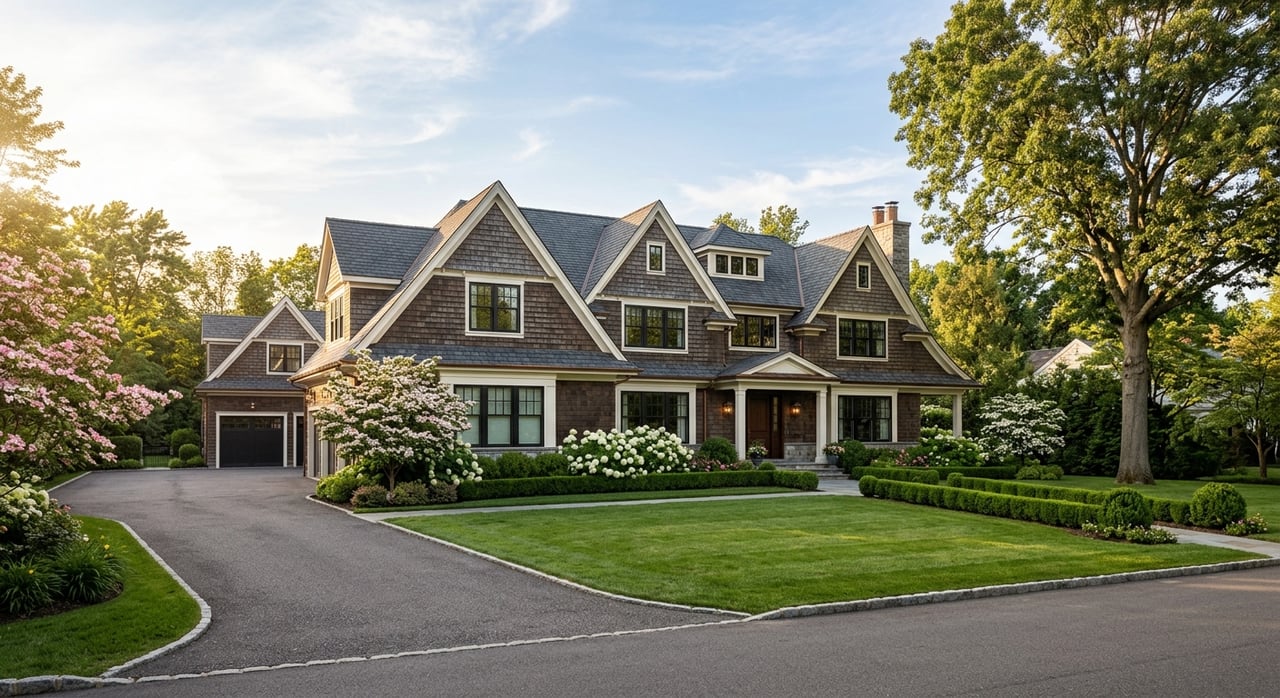
Franklin’s housing stock is diverse. You’ll find 19th and early 20th-century cottages, renovated historic homes, townhomes and condos near downtown, mid-range subdivisions, and large new communities on the outskirts. Brentwood offers a more consistent suburban profile with many custom and luxury builds, large wooded lots, and fewer small-lot, urban-style options. If outdoor space is a must, Brentwood commonly delivers larger lots and acreage properties. If variety and walkability matter, Franklin’s mix and downtown access stand out.
New construction and development pressure
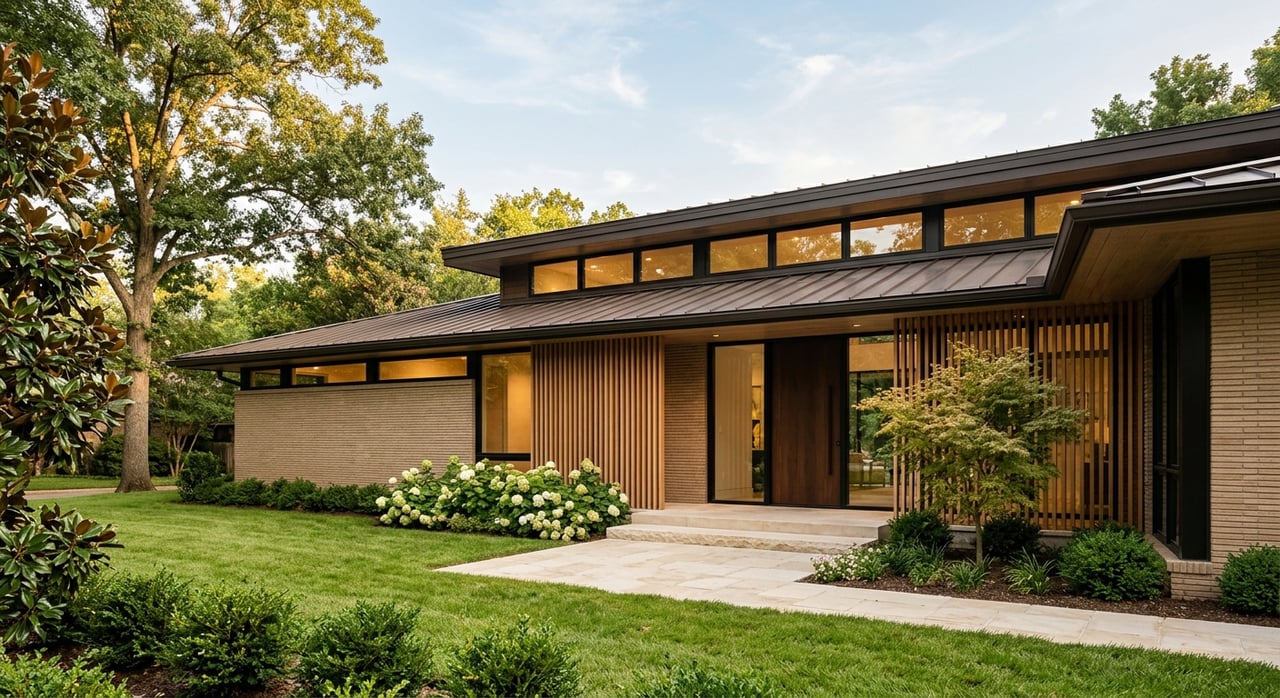
Franklin shows more visible new construction, infill, and mixed-use projects along major corridors and close to downtown. That creates fresh inventory across multiple price points. Inside Brentwood city limits, less raw land remains for large-scale subdivisions. The result is more redevelopment and high-value replacement homes rather than brand-new master-planned neighborhoods. These different supply dynamics can influence both selection and pricing strategy.
Neighborhood and micro-market cues
- Franklin: The historic downtown core and nearby gentrified areas draw strong demand for character homes. The Cool Springs corridor blends retail and corporate activity. Newer subdivisions further out offer modern plans and amenities.
- Brentwood: North versus south Brentwood can feel different, with established estate areas in some parts and newer luxury communities elsewhere. Proximity to I-65 or Concord Road often affects convenience and price.
When comparing, evaluate specific streets and enclaves, not just city limits. Within both cities, school zoning, lot size, finishes, and proximity to amenities shape value block by block.
Schools and zoning considerations
Both cities are served primarily by Williamson County Schools, which are highly regarded statewide. School attendance boundaries vary within each city and can influence pricing and demand for otherwise similar homes. Always verify the current school assignment for a specific address and consider how it aligns with your goals. Zoning overlays also matter, especially near Franklin’s historic district where exterior changes may be reviewed.
Commute and transportation
I-65 is the key connector to Nashville. Brentwood generally offers slightly quicker access to central Nashville for typical I-65 commuters. In practice, drive time depends more on your exact start and end points and time of day than the city name on your address. Both cities are car-oriented, and regional transit options are limited compared with urban cores.
Amenities, retail, and lifestyle
Franklin’s historic downtown is a major draw with restaurants, shops, cultural events, and a pedestrian-friendly environment. Tourism and local events bring energy and seasonal foot traffic. Brentwood offers a quieter suburban rhythm with convenient retail centers, corporate and medical office parks, and larger private green spaces. Parks and greenways are strong in both, from Franklin’s Harlinsdale and Winstead areas to Brentwood’s Crockett Park and nearby nature spaces.
Taxes, assessments, and HOA realities
Tennessee does not tax wage income, so property taxes and local assessments carry more weight in your ownership cost. Williamson County and city rates differ, and assessments can change over time. HOAs are common in newer subdivisions in both cities. Brentwood’s higher-end communities often have HOAs with higher dues and more restrictive covenants. In Franklin, you’ll also see condo associations downtown and standard HOA rules in suburban neighborhoods.
Resale, investment, and liquidity
In both cities, mid to upper price points typically see steady demand, while ultra-luxury or highly unique properties can experience longer market times. Price performance ties closely to school zones, lot size and privacy, proximity to downtown Franklin or major job centers, finish quality, and energy efficiency upgrades. Long-term rentals attract interest from a range of households, and both cities regulate short-term rentals, so confirm current rules before underwriting investment assumptions.
Risk factors and local regulations
Review FEMA flood maps and local floodplain overlays, especially in Franklin areas near creeks, and in pockets of Brentwood. In Franklin’s historic areas, preservation rules can shape renovation plans and timelines. Zoning changes and planned infrastructure projects can also shift supply and demand dynamics, so keep an eye on local planning updates.
Buyer takeaways: how to choose
- If you want larger lots, custom new builds, and a quieter, estate-like setting, Brentwood often fits well.
- If you value walkable historic charm, more price range variety, or access to new subdivisions, Franklin offers range and activity.
- Confirm the school assignment for each address and compare how zoning aligns with your goals.
- Weigh commute patterns based on your actual route and schedule rather than averages.
- Compare HOA covenants, dues, and property tax assumptions for each shortlist property.
Seller strategy: pricing and positioning
- Franklin sellers: Homes near the historic core can command premiums for character and walkability, while newer communities compete on plans, amenities, and finishes. Highlight proximity to downtown, retail, and corporate corridors.
- Brentwood sellers: Large lots and privacy are differentiators. Older homes may be valued for land and replacement potential, or for turnkey updates that match current luxury standards.
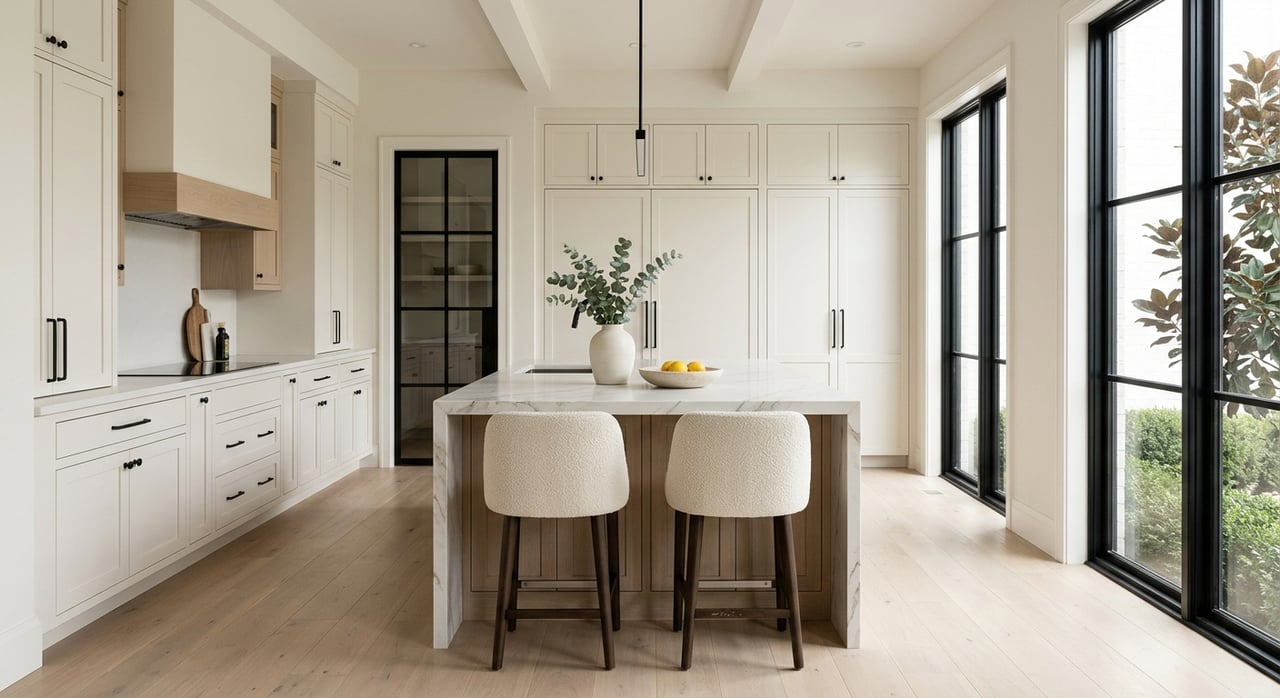
- In both cities: Investments in kitchens and baths, systems like roof and HVAC, curb appeal, and energy efficiency improvements are consistently well received. Align pricing to micro-market comps with similar lot size, school assignment, and finish level.
Making your move with confidence
Choosing between Franklin and Brentwood is less about which market is “better” and more about which micro-market and lifestyle fit you. Start with the three anchors that shape value most: school zone, lot characteristics, and proximity to your daily routine. Then verify the carrying costs and any rules that affect how you plan to live or invest. When you compare at the neighborhood and street level, the right answer becomes clear.
Ready to compare specific properties and neighborhoods side by side? Connect with Heather Hamel for a private, consultative approach tailored to your goals.
FAQs
What are the biggest market differences between Franklin and Brentwood?
- Brentwood is generally higher priced with larger lots and a quieter suburban profile, while Franklin offers more housing variety, active new construction, and a vibrant historic downtown.
Do Franklin and Brentwood have the same public schools?
- Both are served primarily by Williamson County Schools, but attendance zones differ by address and can influence pricing; always verify the current assignment.
Which city offers shorter commutes to Nashville via I-65?
- Brentwood typically provides slightly faster access to central Nashville, though actual drive time depends on your exact start and end points and time of day.
Where will I find more new construction options right now?
- Franklin generally shows more visible new construction, infill, and mixed-use projects, while Brentwood has more redevelopment and high-value replacement homes.
How do HOAs and property taxes compare between the two cities?
- Both cities have HOAs, especially in newer communities; Brentwood’s higher-end communities often have stricter covenants and higher dues, and property taxes vary by county and city rates.
Are there special rules for historic homes in Franklin?
- Yes. Franklin’s historic preservation areas include review processes that can affect exterior changes and timelines, so factor that into renovation plans.