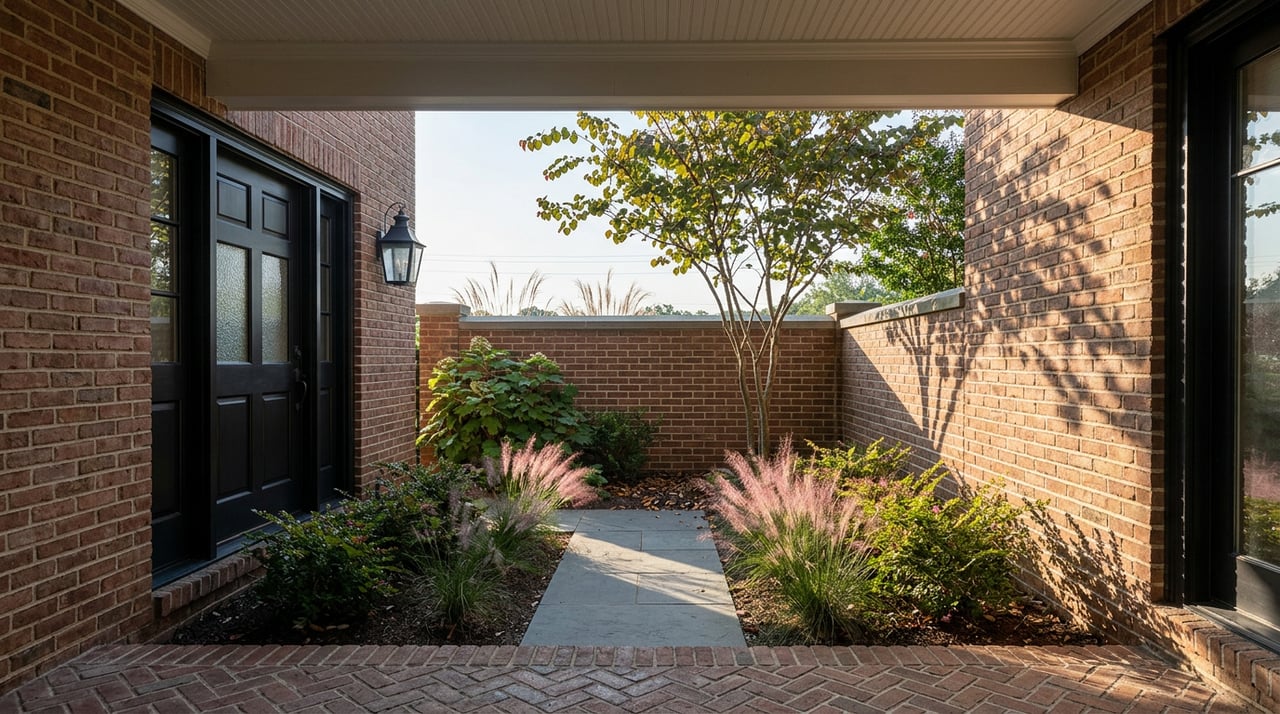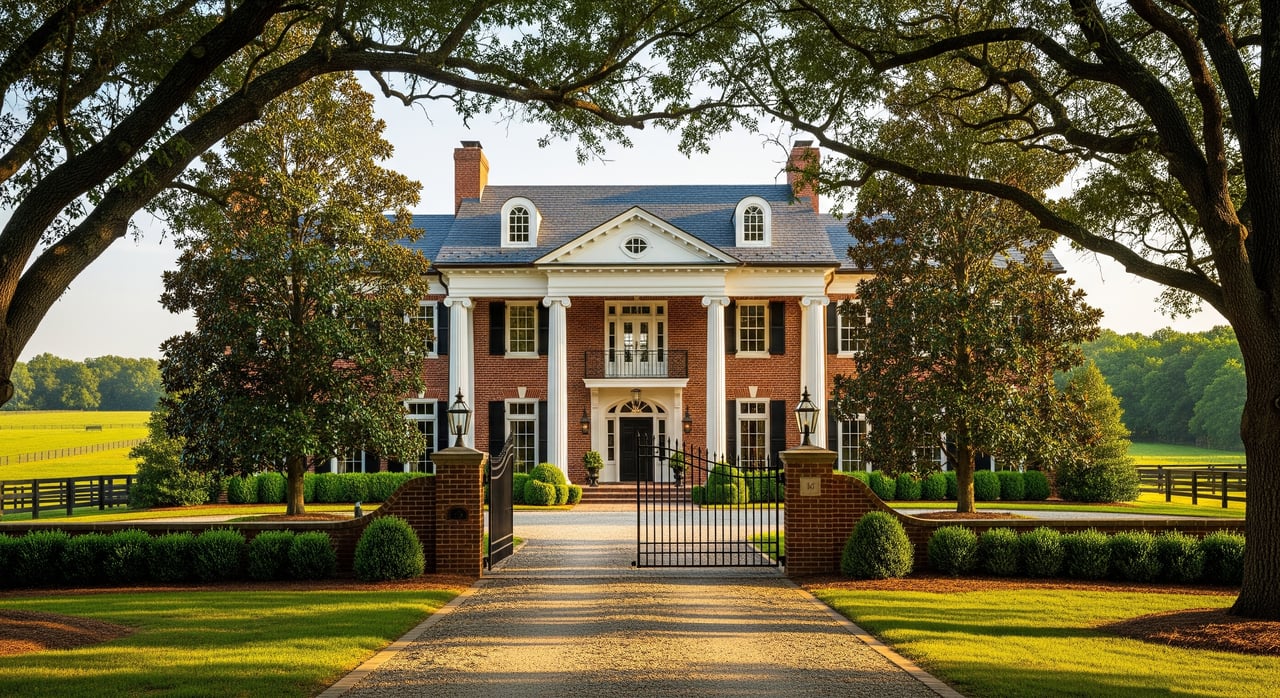
Is Franklin the right fit for your next chapter? If you want a blend of small-city charm, refined amenities, and access to both master-planned living and quiet countryside, this market offers rare variety. You may be weighing walkable historic streets against golf club living or rolling acreage. In this guide, you’ll learn how Franklin’s top luxury enclaves differ in architecture, lifestyle, and logistics so you can match the neighborhood to how you actually live. Let’s dive in.
Franklin luxury at a glance
Franklin sits just south of Nashville in Williamson County and attracts buyers who value historic character, high-performing public and private schools, and a mix of suburban convenience with country calm. In this market, luxury often begins around the top 1 to 5 percent of listings. In practice, many luxury properties list at or above roughly $1 million, with estate properties commonly in the $2 million and higher range. Inventory for unique historic homes and true estate parcels tends to be limited, which keeps pricing competitive for standout properties.
Neighborhood profiles
Historic Downtown Franklin
Historic Downtown centers on the Main Street corridor, with late-19th and early-20th century buildings, boutique retail, and fine dining. Residential blocks around the core feature restored Federal, Greek Revival, Victorian, and Queen Anne homes, plus boutique luxury condos and carriage houses. Walkability and cultural events are everyday benefits for owners who value ambiance and authenticity.
- Who it fits: Buyers who prioritize character, a rich cultural calendar, and being steps from restaurants and shops.
- Considerations: The Historic Zoning Overlay requires review for exterior changes. Renovations often need approval, so budget time and plan with specialists.
Westhaven (master planned)
Westhaven is one of Franklin’s largest amenity-rich communities, with lakes, parks, and community centers alongside a range of homes. You will find luxury single-family options, some custom builds, and select townhomes or condos. The lifestyle leans social and convenient, with pools, racquet sports, trails, and frequent neighborhood programming.
- Who it fits: Buyers who want an active, community-forward setting with on-site amenities and easy access to Cool Springs and I-65.
- Considerations: Expect HOA covenants, architectural guidelines, and dues that fund amenities and upkeep.
Cool Springs and northern enclaves
Near the Franklin and Brentwood line, Cool Springs offers newer luxury subdivisions and gated pockets close to corporate hubs and regional retail. Homes often feature modern floor plans, larger footprints, and contemporary finishes. Convenience is the headline here, with quick access to shopping, dining, and major routes.
- Who it fits: Executives and families who want newer construction and minimal commute time to offices and interstates.
- Considerations: These areas trade larger acreage for proximity. Expect more suburban lot sizes compared to rural corridors.
Golf and country club communities
Franklin and nearby Brentwood feature private and semi-private clubs centered on golf, tennis, fitness, and dining. Homes typically sit on manicured lots with golf or water views and custom architecture. Social calendars and club programming offer a turnkey way to plug into the community.
- Who it fits: Buyers who want a built-in social network, access to courses and racquet sports, and well-kept surroundings.
- Considerations: Membership fees and dues add to carrying costs. Review HOA rules closely, including exterior maintenance and design standards.
Rural estates: Leiper’s Fork and Arrington
South and west of Franklin, you will find rolling countryside, vineyards, and large multi-acre estates. Properties range from modern farmhouses to traditional or contemporary custom homes, often with barns, arenas, guest houses, and privacy buffers. The pace is quiet, with an outdoor lifestyle that can include horses, gardens, and trails.
- Who it fits: Buyers seeking privacy, acreage, and room for equestrian or hobby-farm uses.
- Considerations: Longer commutes into Franklin and Nashville are the tradeoff. Confirm septic versus sewer, water sources, and any agricultural or accessory-structure permitting.
New-construction luxury enclaves
Across Franklin you will find infill and outer-area developments with high-end new builds and custom homesites. Expect energy-efficient systems, smart-home integration, and layouts that support multi-generational living, home offices, and theater rooms. Many buyers choose a custom route to tailor finishes and functionality.
- Who it fits: Buyers who want low-maintenance systems, modern conveniences, and the ability to personalize design.
- Considerations: Factor in build timelines, architectural review, and potential premiums for the newest lots and specs.
Architecture and home features
Styles and lot sizes
Franklin’s luxury landscape includes restored historic styles like Federal, Greek Revival, Victorian, and Queen Anne, alongside Traditional, Neo-Colonial, Craftsman, Tudor revival, and custom contemporary. Modern Farmhouse remains popular in suburban and estate settings. Lot sizes vary widely, from small downtown parcels and luxury condos to 0.25 to 1+ acre suburban lots and 3 to 50+ acre estates.
Amenities you can expect
Buyers often look for chef’s kitchens, home gyms, indoor-to-outdoor living rooms, and wine storage. Guest suites, carriage houses, and accessory dwelling options are common in higher-end properties. In suburban luxury, private pools, outdoor kitchens, and gated drives are frequent. On estates, you may see barns, riding arenas, guest cottages, vineyard rows, and private trails.
Lifestyle logistics
Schools and education options
Public schools in Franklin are part of Williamson County Schools, which are a major draw for many buyers. Private options include college-prep schools in Franklin and other independent schools across Brentwood and Nashville. School zones can influence demand and pricing, so verify attendance areas and any private school timelines early.
Commute and connectivity
Franklin is south of downtown Nashville, with typical drive times of 20 to 40 minutes depending on time of day and your exact location. Major routes include I-65, US-31, and local connectors, with I-840 providing east-west access around the region. Nashville International Airport is generally a 25 to 40 minute drive, traffic dependent.
Recreation, dining, and culture
Downtown’s Main Street offers upscale dining, boutiques, galleries, and frequent festivals. Parks and greenways, including Harlinsdale Farm, support outdoor activities and events. In the countryside, vineyard and equestrian culture are part of daily life, especially near Arrington and Leiper’s Fork.
Healthcare and services
Franklin and the surrounding area provide access to regional hospitals and specialty care. Proximity to medical services can be important for long-term planning, especially for buyers who value convenience and continuity of care.
What drives value
Privacy versus convenience
Walkable downtown living delivers culture and dining at your doorstep, though lot sizes are smaller and renovation rules apply. Estate corridors offer acreage and privacy with longer drives. Suburban master-planned and club communities provide amenities and social structure with manageable lot sizes and HOA oversight.
New construction versus historic character
New builds offer modern systems, energy efficiency, and layouts tailored to your needs. Historic homes deliver authenticity and charm, but may involve higher maintenance, specialized trades, and longer timelines due to preservation oversight. Decide where you want your time and budget to go.
Amenities versus autonomy
Club settings bundle golf, racquet sports, dining, and events into a single membership-based lifestyle. Rural estates put you in control of on-site amenities, from barns to trails, but you assume responsibility for maintenance and operations.
Smart due diligence checklist
- Verify your specific school attendance zone with Williamson County Schools and confirm private school application timelines.
- If considering a historic property, review the Historic Zoning Overlay and approval timelines for exterior work.
- For rural or estate parcels, confirm utility availability, including sewer versus septic and water testing as needed.
- Order a full survey and soil tests for large lots, especially if you plan to add structures or agricultural uses.
- Review HOA covenants, architectural guidelines, dues, and any country club membership terms or special assessments.
- Model total cost of ownership, including taxes, insurance, grounds and pool maintenance, and club dues.
Franklin versus nearby markets
Franklin occupies a premium niche between Brentwood’s executive suburban profile and Nashville’s urban luxury. Brentwood often features established country-club enclaves and a strong corporate footprint. Nashville’s urban core offers high-rise luxury and immediate cultural access. Nearby Nolensville, Smyrna, and Thompson’s Station can present more rural options and different price points, but with less direct access to Franklin’s downtown amenities.
Buying strategy in a tight market
- Clarify must-haves early. Rank privacy, commute time, school access, and amenities so you can move decisively when a match appears.
- Track micro-markets. Historic streets and true estate corridors often have limited turnover. Set alerts and be ready for selective supply.
- Budget for lifestyle costs. Include club dues, property management, and grounds care in your monthly and annual plan.
- Plan for approvals. Historic overlays, HOA design review, and rural permitting can add time. Align your timeline with these checkpoints.
- Consider dual-market needs. If you split time between regions, look for layouts and systems that support lock-and-leave living.
Ready to pinpoint the neighborhood that fits your life today and five years from now? Begin a private consultation to map options, preview off-market opportunities, and time your move with confidence. Connect with Heather Hamel to get started.
FAQs
Where can I find the largest estates in the Franklin area?
- Multi-acre estate and equestrian properties are most common south and west of Franklin, including Leiper’s Fork, Arrington, and unincorporated Williamson County.
What should I know about renovating a historic Franklin home?
- Exterior changes in the Historic Zoning Overlay typically require review and approval, so plan for added time, specialized contractors, and potential design limits.
How do schools affect luxury home pricing in Franklin?
- Proximity to high-performing Williamson County Schools can materially influence demand and pricing, so verify zones early in your search.
Are club memberships required in golf communities?
- Many golf and country club neighborhoods have optional or required memberships with separate dues; review terms, fees, and any assessments before you buy.
What are typical commute times from Franklin to Nashville?
- Commutes generally range from 20 to 40 minutes depending on location and traffic, with I-65 and US-31 as primary routes and I-840 for east-west access.