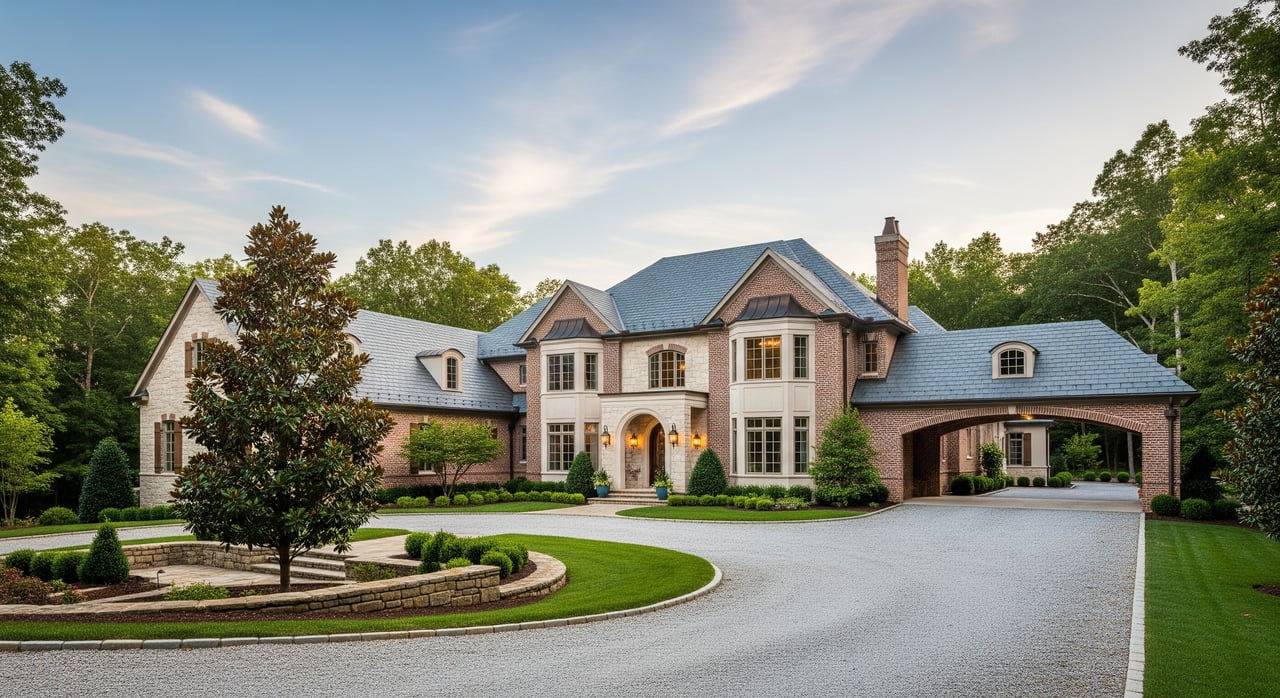
Are you getting ready to sell an estate home in Oak Hill or Forest Hills and wondering how to set the right price? You are not alone. Estate properties are unique, and a simple price per square foot will not tell the story. In this guide, you will learn how to value acreage, account for specialized features, navigate estate and probate factors, and choose a pricing strategy that fits your goals. Let’s dive in.
Who buys estate homes here
Estate homes in Oak Hill and Forest Hills sit in the luxury tier of the Nashville market. Likely buyers include local executives, entrepreneurs, professionals who want privacy and land, relocating buyers tied to Nashville’s industries, and high-net-worth purchasers who value an estate lifestyle close to the city. Many will use cash or jumbo financing, which can influence timing and appraisal dynamics.
Before you price, check current luxury inventory, days on market for comparable estates, and recent list-to-sale-price ranges for similar sales. These metrics change often. Verify them with the local MLS, Tennessee REALTORS, or experienced luxury brokerage reports to understand whether today’s conditions favor sellers or buyers.
How to value an Oak Hill or Forest Hills estate
Start with a high-quality CMA
A well-built comparative market analysis is the backbone of your pricing. For estates, you may need a wider search radius and longer time frame to find true arm’s-length comps. Adjust for acreage, usable land, outbuildings, guest quarters, equestrian facilities, topography, and privacy. Walk the comps when possible so you understand how condition and site characteristics differ.
Use the cost approach for unique improvements
When a property includes newer or highly customized improvements, such as a guest house, barn, or pool house, the cost approach can help set a floor value. Consider replacement cost minus depreciation to capture value that sales comps may not reflect. Do not rely on this approach alone if the primary residence is older or highly unique without strong sales analogs.
Income approach when the property produces income
If part of the estate generates income, such as a rental cottage or farm operations, the income approach can serve as a cross-check. This is less common for primary residences, but it can provide additional support when buyers and appraisers evaluate investment potential.
Why price per square foot misleads
Price per square foot often declines as homes get larger, and it ignores what matters most on an estate: land quality, privacy, guest quarters, and specialty structures. If you rely on a simple per-square-foot benchmark, you risk underpricing or overpricing by a wide margin. Use it only as minor context, not as your primary guide.
Better metrics to track
- Price per usable acre, not just total acres. Steep slopes, floodplain areas, or wetlands reduce usable land value.
- Adjustments for guest houses, barns, equestrian facilities, and outbuildings, especially when permitted and in good condition.
- Bedroom and bath count, ceiling height, and finished versus unfinished square footage.
- View corridors, mature trees, and seclusion, which carry real premiums for estate buyers.
Local factors that move price
Municipal codes and zoning
Oak Hill and Forest Hills are small municipalities in Davidson County with their own codes, permitting, and land-use rules. Lot density, accessory structures, and subdivision potential can affect both value and buyer appeal. Confirm current municipal requirements and any conservation easements or neighborhood covenants that limit future development.
Acreage and usable land
Buyers value usable, developable acreage more than raw acreage. Topography, soil conditions for septic, and the percentage of cleared versus wooded land all matter. Long sightlines, privacy buffers, and potential for equestrian or recreational use can justify a premium.
Utilities and systems
Sewer versus septic is a key pricing lever. Septic systems can cap permitted bedroom counts and restrict future plans unless sewer is available. If the property relies on a well, provide recent water quality tests and capacity documentation. For long private drives or shared roads, confirm any recorded maintenance agreements so buyers understand obligations.
Environmental and site conditions
Floodplain location influences insurance costs and development options. Steeper slopes and drainage issues reduce usable acreage and may trigger higher site prep costs. Mature trees and curated landscaping enhance curb appeal and privacy, two traits that resonate with estate buyers.
Historic and tax status
Historic designation can affect permitted alterations and long-term plans. Agricultural or conservation classifications may reduce property taxes but often come with use restrictions. Verify any implications with the property assessor and have documentation ready for buyers and appraisers.
Location and amenities
Proximity to Nashville, direct commuting routes, and access to well-regarded schools and private school options shape buyer demand. Local parks, greenways, and the prestige associated with Oak Hill and Forest Hills neighborhoods also influence perceived value.
Estate and probate considerations
Executor-led sales and timing
When a property is sold by an estate, multiple heirs or trustees may be involved. Some executors price conservatively to achieve a timely sale, while others invest in targeted repairs to maximize value. Depending on the estate documents and Tennessee law, certain sales may require probate court confirmation, which affects timelines and buyer confidence. Always coordinate with the estate attorney early.
Title, liens, and closing readiness
Clear title is essential. Unresolved liens, easements, or claims can reduce your buyer pool and push buyers to demand price concessions or longer due diligence periods. Confirm letters testamentary and any required heir approvals so you can set realistic expectations for closing.
Appraisals, financing, and appraisal gaps
Luxury sales often involve jumbo loans. Appraisers may struggle to find exact comps, especially for highly unique properties, which can lead to appraisal gaps. Be prepared to address this by providing strong documentation, considering cash-preferred terms, or planning for negotiations if the appraisal comes in low.
Disclosures and inspections
Tennessee requires sellers to disclose known defects and material facts. In estate situations, document what is known and what is not known. Full inspection reports, septic or well tests, and records for roof, HVAC, and major systems will reduce buyer uncertainty and support a stronger price.
Pricing strategy that fits your goals
Define objectives
Decide whether your top priority is speed or maximizing net proceeds. If speed matters, a slight underpricing strategy can attract more interest and potential multiple offers. If you aim to maximize value, you may set a premium price and allow for a longer marketing period to reach a narrower, more qualified buyer pool.
Recommended valuation process steps
- Compile a complete property file: deed, surveys, plat maps, tax records, recent utility bills, septic permits and pump records, well tests, building permits, and any HOA or covenant documents.
- Order a professional appraisal and a broker CMA focused on luxury estate comps. Confirm adjustments for acreage, usable land, and specialized structures.
- Inspect comparables and use paired-sales analysis or value-per-acre guidance from similar submarkets when direct comps are scarce.
- Evaluate the market window through the MLS and local brokerage reports. If luxury inventory is thin, plan a longer listing period and targeted outreach to the niche buyer pool.
Pre-list preparation with ROI in mind
Address repairs that deliver clear returns, especially big-ticket systems that can stall a sale. Roof, septic or well remediation, HVAC, and safety or code items usually carry more weight than cosmetic updates. Weigh any planned work against your cost to carry the property over time.
Marketing window and expectations
Luxury estates tend to have fewer but more serious showings. Expect a longer lead time to secure the right buyer. Support your price with thorough documentation, detailed property information, and visuals that highlight usable acreage, outbuildings, and privacy.
Pricing checklist for your CMA or appraisal
Use this list to organize your data and ensure nothing important is missed.
- Legal and ownership
- Probate status, letters testamentary, and required approvals
- Title search, liens, easements, road maintenance agreements, conservation easements
- Site and land
- Total acres versus usable acres, soils for septic, topography, floodplain or wetlands
- Road frontage, water features or stream frontage, view corridors, privacy buffers
- Structures and condition
- Gross living area versus finished area, bedroom and bath count, ceiling heights
- Guest houses, carriage houses, barns, equestrian facilities, pools, permitted outbuildings
- Major systems: roof, HVAC, electrical, plumbing, with ages and service records
- Utilities and connectivity
- Sewer versus septic, municipal versus well water, fiber or other communications availability
- Zoning and development potential
- Municipal rules that affect density, accessory structures, and subdivision feasibility
- Taxes and assessments
- Current tax bills, agricultural or conservation classifications, and any potential rollback taxes
- Market and financing realities
- Current luxury inventory and DOM for true comps via the MLS
- Expected buyer financing type and potential appraisal risks
Bringing it all together
Pricing an estate home in Oak Hill or Forest Hills is part data and part judgment. The most effective list prices blend sales comparisons with objective adjustments for land, privacy, and permitted improvements, then layer in legal and utility realities that shape marketability. When you document the property thoroughly and align your pricing strategy with your goals, you give buyers and appraisers a clear path to yes.
If you would like a discreet, step-by-step plan tailored to your estate, begin a private consultation with Heather Hamel. You will get a refined valuation process, a clear market narrative, and calm guidance from preparation to closing.
FAQs
How should I price an Oak Hill or Forest Hills estate with few comps?
- Combine a high-quality CMA with a wider radius and time frame, add a cost approach for unique improvements, and consult a luxury-experienced appraiser to triangulate a defensible range.
What matters more for pricing: total acres or usable acres?
- Usable, developable acreage typically carries more value than raw totals, since steep slopes, floodplain areas, or wetlands can reduce how the land can be used.
Do estate sales in Tennessee require court confirmation?
- Some executor or administrator sales may require probate court confirmation based on the estate documents, which can affect timing and buyer confidence; consult your estate attorney early.
Should I list an inherited estate home as-is or do repairs first?
- Prioritize repairs that remove major buyer objections, such as roof, septic or well, HVAC, and safety issues; weigh cosmetic projects against your carrying costs and expected price lift.
How do jumbo loans and appraisals affect luxury estate pricing?
- Jumbo financing can lengthen underwriting and increase appraisal risk; be prepared for appraisal gaps by supporting value with documentation and by evaluating cash or appraisal-gap solutions.
What documents should I gather before pricing my estate property?
- Collect deed, surveys, plat maps, tax history, utility bills, septic and well records, building permits, and any covenants or easements to streamline valuation and due diligence.