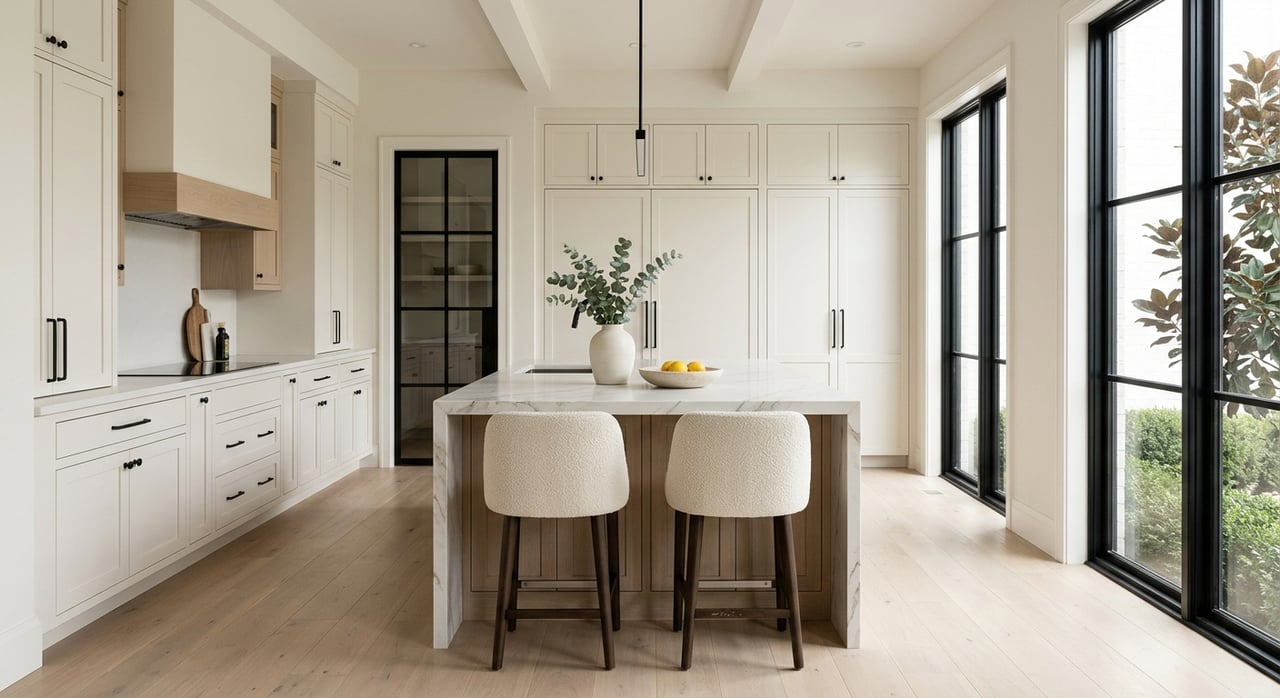
If you are preparing to sell in Green Hills, staging is not a finishing touch. It is part of how you protect value in one of Davidson County’s most premium price points. In a market where buyers have become more selective, thoughtful presentation can help your home feel polished, easy to imagine living in, and ready to shine in photos, video, and showings. Let’s dive in.
Why staging matters in Green Hills
Green Hills holds a distinctive place in the Nashville market. It is widely known for its upscale retail, boutiques, and recognizable neighborhood destinations, and Greater Nashville REALTORS reported that ZIP code 37215 had the highest median sales price in Davidson County at $1.15 million in 2025.
That kind of market positioning shapes buyer expectations. When buyers shop in Green Hills, they are not only comparing square footage and finishes. They are also looking for a home that feels well cared for, current, and move-in ready.
That matters even more in a market that is rebalancing. Greater Nashville REALTORS noted that Nashville’s 2026 market is shifting toward balance, though supply remains below pre-pandemic levels in desirable areas like Green Hills. In other words, premium homes still have an advantage, but presentation plays a bigger role when buyers are more discerning.
What staging actually does for a sale
Staging helps buyers picture themselves in the home. According to the National Association of Realtors 2025 Profile of Home Staging, 83% of buyers’ agents said staging makes it easier for buyers to visualize a property as a future home.
That visual connection can shape how buyers respond to your listing. The same report found that 60% of buyers’ agents said staging affects most buyers’ views of a home most of the time.
Staging also supports the financial side of a sale. NAR reported that 17% of buyers’ agents and 19% of sellers’ agents saw staged homes increase offers by 1% to 5%. While every property is different, that range shows why many sellers view staging as a strategic investment rather than a cosmetic extra.
Focus on quiet luxury, not overdesign
In Green Hills, the goal is not to make your home look generic. It is to make it feel calm, elevated, and easy to live in.
A strong staging plan should feel edited rather than decorated. Buyers in a design-conscious market tend to respond best to spaces that look polished and intentional, without feeling overly personal or trend-heavy.
That usually means neutral layers, clean surfaces, balanced furniture placement, and just enough styling to add warmth. You want buyers to notice the scale of the rooms, the flow of the floor plan, the natural light, and the architectural details.
Stage the rooms buyers notice first
Not every room carries the same weight. If you want the best return on your effort, start with the spaces buyers pay the most attention to.
NAR’s 2025 staging report identified the living room as the most important room to stage, followed by the primary bedroom and kitchen. Sellers’ agents also frequently staged the dining room, making it another strong priority.
Living room staging priorities
Your living room should establish the tone of the home. It needs to feel open, conversational, and comfortable without looking crowded.
Pull back oversized furniture if it interrupts the flow. Remove extra side tables, heavy decor, and anything that blocks windows or makes the room feel smaller in person or on camera.
Primary bedroom staging priorities
The primary bedroom should feel restful and refined. Crisp bedding, simple nightstands, soft lighting, and minimal decor usually work better than bold colors or too many accessories.
If the room is large, define the space clearly. A sitting area can be helpful if it fits naturally, but avoid adding pieces that make the room feel busy.
Kitchen staging priorities
The kitchen should read as bright, clean, and highly functional. Clear counters as much as possible, leaving only a few purposeful items.
Fresh towels, a bowl of fruit, or a simple arrangement can add life, but restraint is key. Buyers want to see prep space, storage, and finishes, not your daily routine.
Dining room staging priorities
The dining room often helps buyers understand how the home entertains. A centered table, balanced seating, and a simple centerpiece are usually enough.
If your dining room doubles as another use space, staging can help restore its intended purpose. Clear definition makes the layout easier to understand in both photos and showings.
Prepare the exterior before buyers step inside
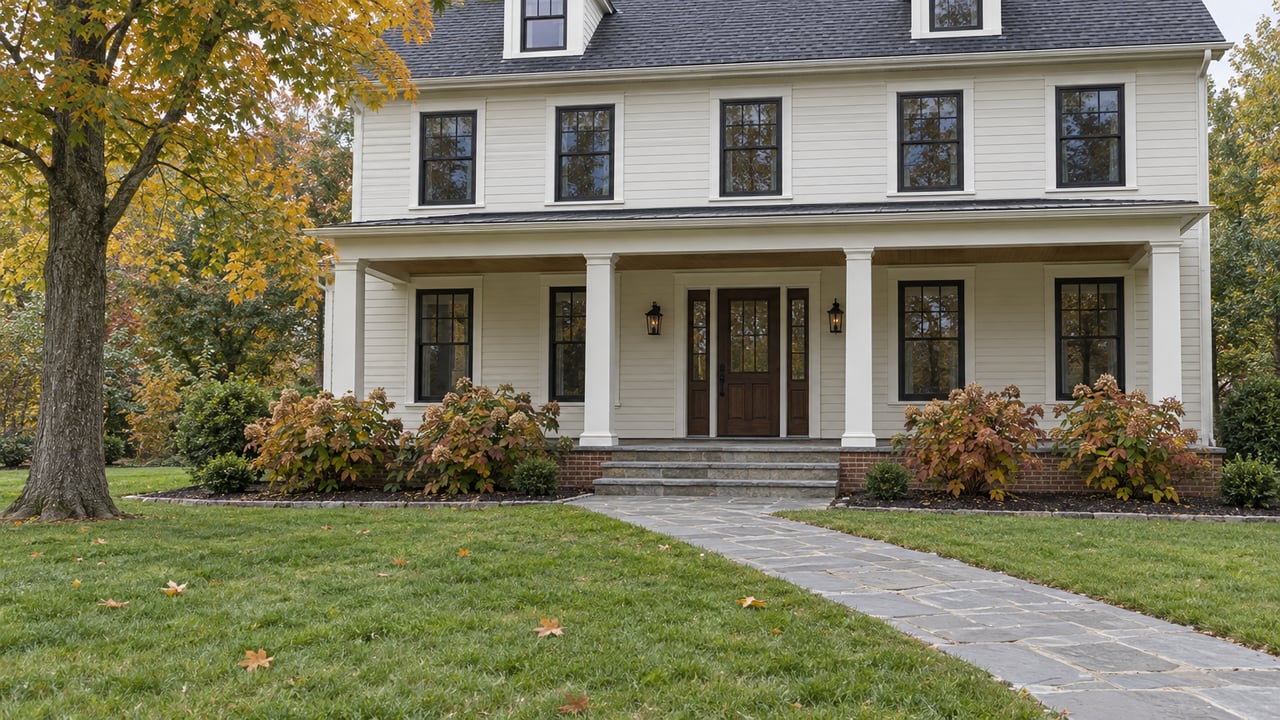
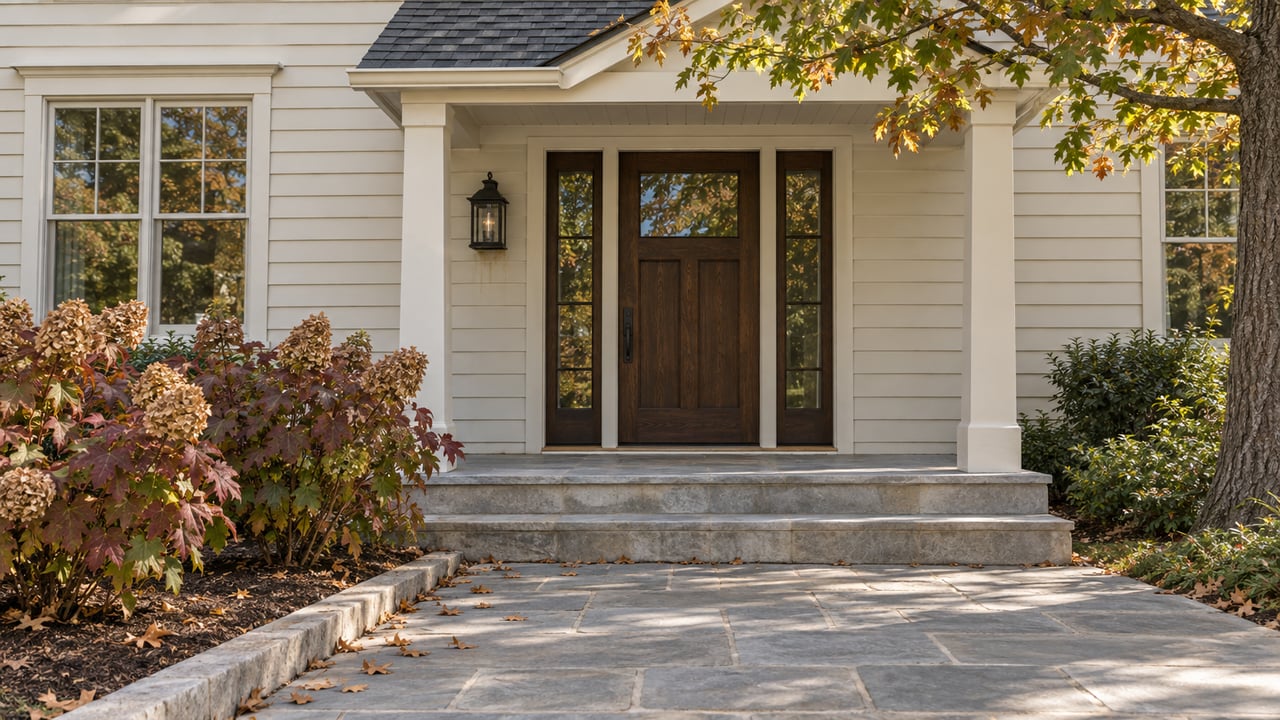
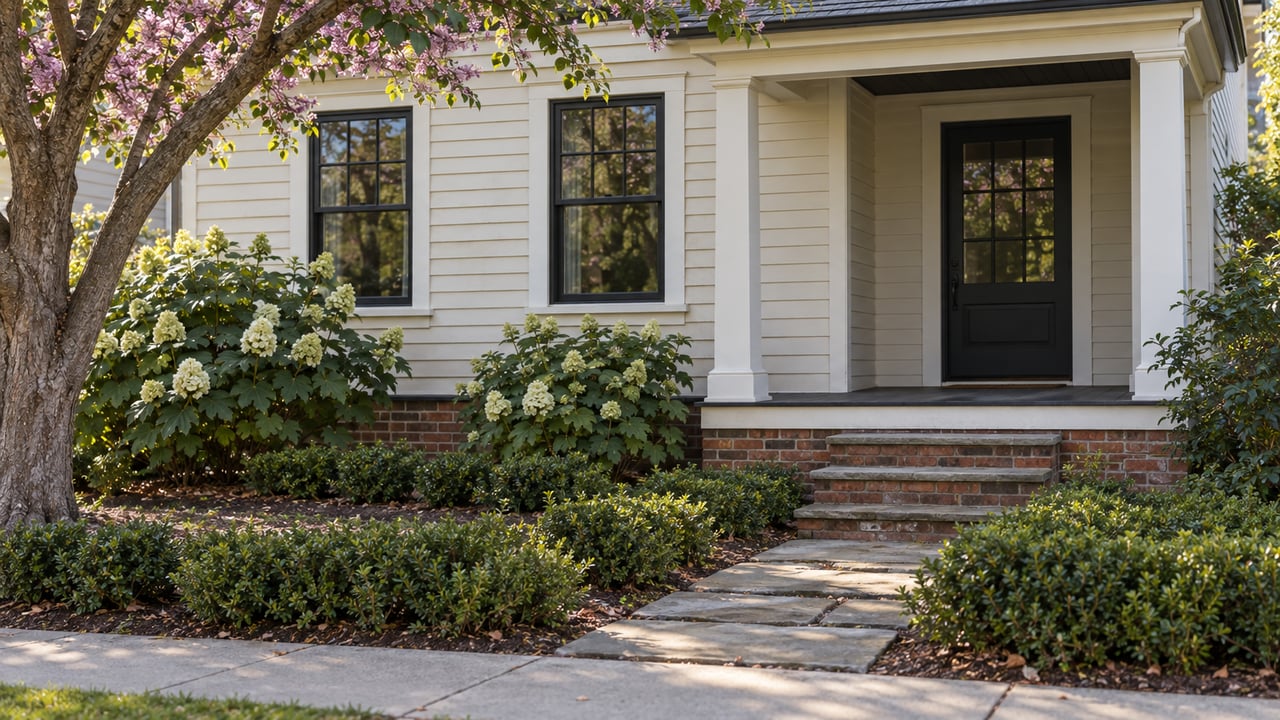
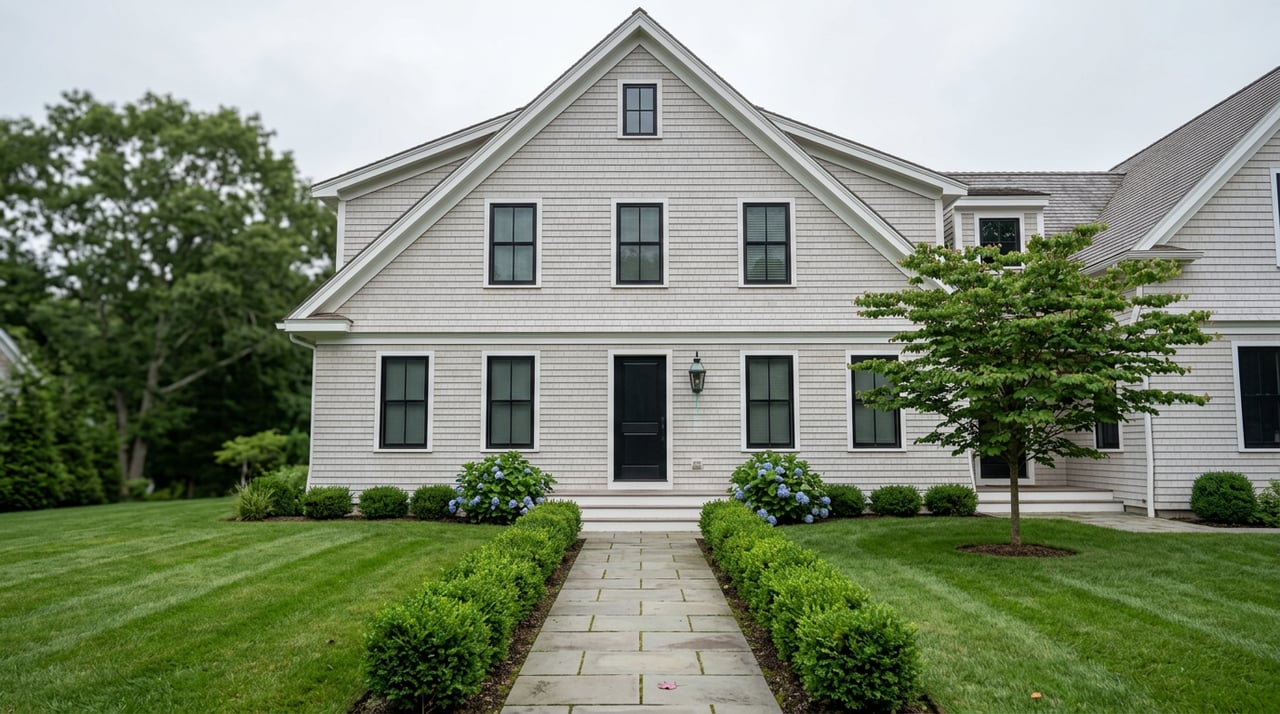
First impressions begin at the curb. The exterior sets expectations for everything that follows, and a weak first impression can affect how buyers see the interior.
NAR’s consumer guidance recommends cleaning windows, walls, carpets, and lighting fixtures, storing away clutter, and improving curb appeal through landscaping, the front entrance, and paint as needed. These steps also help the home present better in listing photos.
For a Green Hills home, exterior presentation should feel manicured and intentional. In practical terms, that often means focusing on the details buyers notice right away.
Exterior updates worth prioritizing
- Trim hedges and tidy landscaping
- Refresh mulch where needed
- Pressure-wash walkways, porches, and hard surfaces
- Clean windows thoroughly
- Polish or repaint the front door if needed
- Update or clean front door hardware
- Check that all exterior lighting works properly
These updates do not need to feel flashy. They simply need to signal care, consistency, and readiness.
Clean lines and light sell better
One of the simplest ways to improve your sale presentation is to increase the feeling of light and space. Buyers respond to homes that feel bright, open, and easy to move through.
Start by removing clutter and personal items. This helps in person, but it is especially important for photography and video, where visual noise can make even a beautiful room feel smaller.
Then look at sightlines. When you stand in a doorway, ask yourself what the eye lands on first. The goal is to highlight windows, architectural details, attractive finishes, and natural room-to-room flow.
Stage for photos, video, and virtual tours
Today, staging does not stop with the showing. Your home also needs to perform well online, where many buyers form their first impression.
NAR’s 2025 staging report found that photos, videos, and virtual tours are important listing assets. That means your home should be prepared for all three before marketing begins.
Zillow’s photography guidance recommends cleaning and staging first, opening blinds, turning on lights, photographing on a sunny day, and capturing the home at the brightest time of day. It also recommends featuring the primary bedroom, kitchen, living room, bathrooms, and an exterior shot.
Photo-ready staging checklist
- Open blinds to bring in natural light
- Turn on interior lights for warmth and consistency
- Remove personal items and visible clutter
- Clean mirrors, glass, and reflective surfaces
- Take down window screens if they dim the view or light
- Keep bathroom counters nearly clear
- Store trash bins, cords, and small appliances out of sight
For premium marketing in Green Hills, photography should emphasize natural light, clean sightlines, and strong architectural moments. If your home has appealing outdoor living areas, those should be prepared and photographed with the same care as the interior.
Budget for staging with perspective
Many sellers assume staging has to be extensive to be effective. In reality, strategic edits often do more than adding a large number of decorative pieces.
NAR reported a median spend of $1,500 for professional staging services in 2025. That number offers useful context, though actual cost depends on the size of the home, how much furniture is already in place, and whether the home is occupied or vacant.
In a premium market like Green Hills, the more useful question is often not “How little can I spend?” but “What presentation choices will best support price and perception?” The right staging plan should align with the home, the likely buyer, and the marketing strategy.
A practical staging plan before listing
If you want to simplify the process, focus on a step-by-step approach rather than trying to do everything at once.
Step 1: Edit the home
Remove extra furniture, personal photos, overflow storage, and decor that distracts from the space. This creates cleaner lines and helps rooms feel larger.
Step 2: Deep clean thoroughly
Pay special attention to windows, walls, floors, lighting fixtures, kitchens, and baths. Clean homes photograph better and signal stronger upkeep.
Step 3: Refresh high-impact details
Address small presentation issues like worn paint, dated hardware, tired mulch, or dim light bulbs. These details are easy to overlook when you live in the home, but buyers notice them quickly.
Step 4: Prioritize key rooms
Put your energy into the living room, primary bedroom, kitchen, and dining room first. If time or budget is limited, these spaces usually have the greatest visual impact.
Step 5: Prepare for media day
Before photos and video, do a final pass for clutter, lighting, and styling. Make sure each room has a clear purpose and that exterior spaces are ready as well.
Staging supports premium positioning
In Green Hills, staging is really about alignment. Your pricing, presentation, photography, and showing experience should all tell the same story.
When that story feels polished and believable, buyers are more likely to connect with the home and remember it. In a premium but more selective market, that kind of consistency can help your listing stand apart for the right reasons.
If you are considering a sale in Green Hills, a thoughtful staging plan can help your home feel quietly luxurious, highly livable, and market-ready from day one. To begin a private consultation, connect with Heather Hamel.
FAQs
What does staging a Green Hills home mean before listing?
- Staging a Green Hills home means preparing it to look polished, spacious, and move-in ready so buyers can better visualize living there, especially in photos, video, and showings.
Which rooms matter most when staging a Green Hills home?
- The living room, primary bedroom, kitchen, and dining room are the top priorities based on the 2025 NAR staging report.
How much does professional home staging usually cost?
- NAR reported a median spend of $1,500 for professional staging services in 2025, though actual cost depends on the home and the scope of work.
Why is curb appeal important for a Green Hills home sale?
- Curb appeal shapes the buyer’s first impression, affects how the home appears in listing photos, and can influence whether buyers approach the showing with excitement or skepticism.
How should you prepare a Green Hills home for listing photos?
- Start with cleaning and staging, open blinds, turn on lights, remove clutter and personal items, and make sure the brightest and best-looking rooms are ready for photography.
Does staging really help a home sell in a more balanced market?
- Yes. In a more selective market, strong presentation can help buyers connect with the home, and NAR found that staging can influence buyer perception and, in some cases, offer strength.