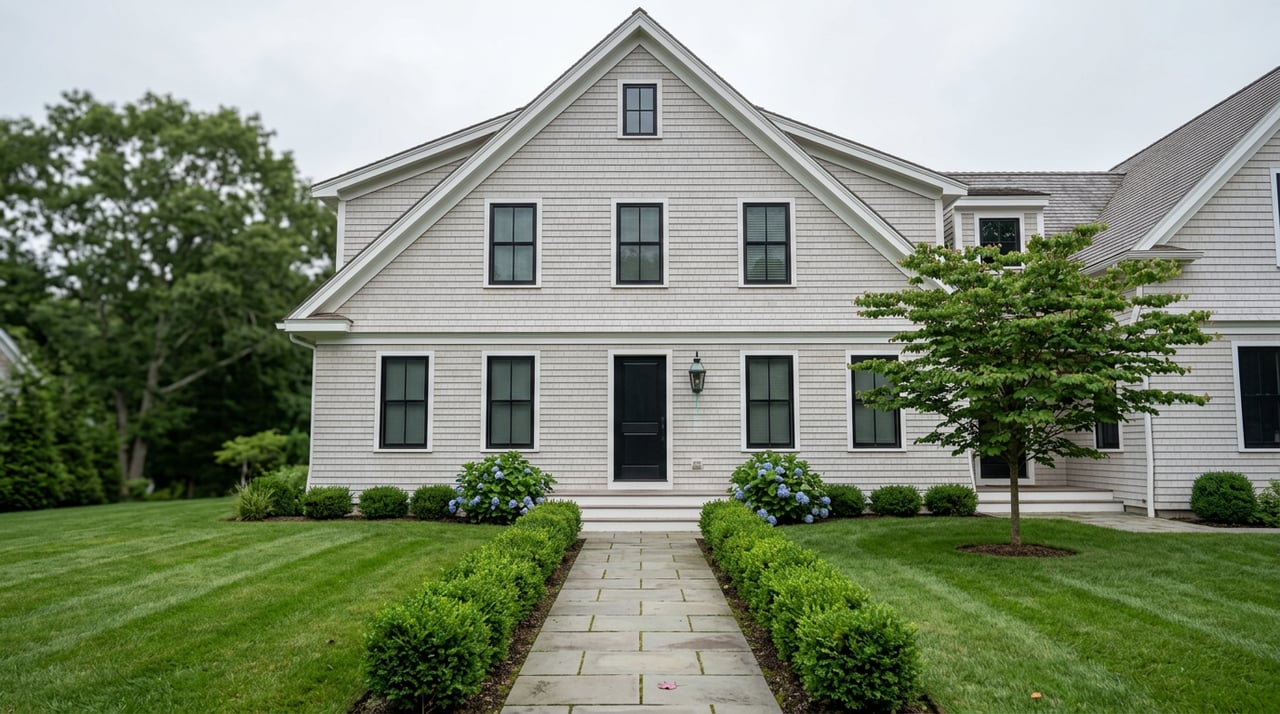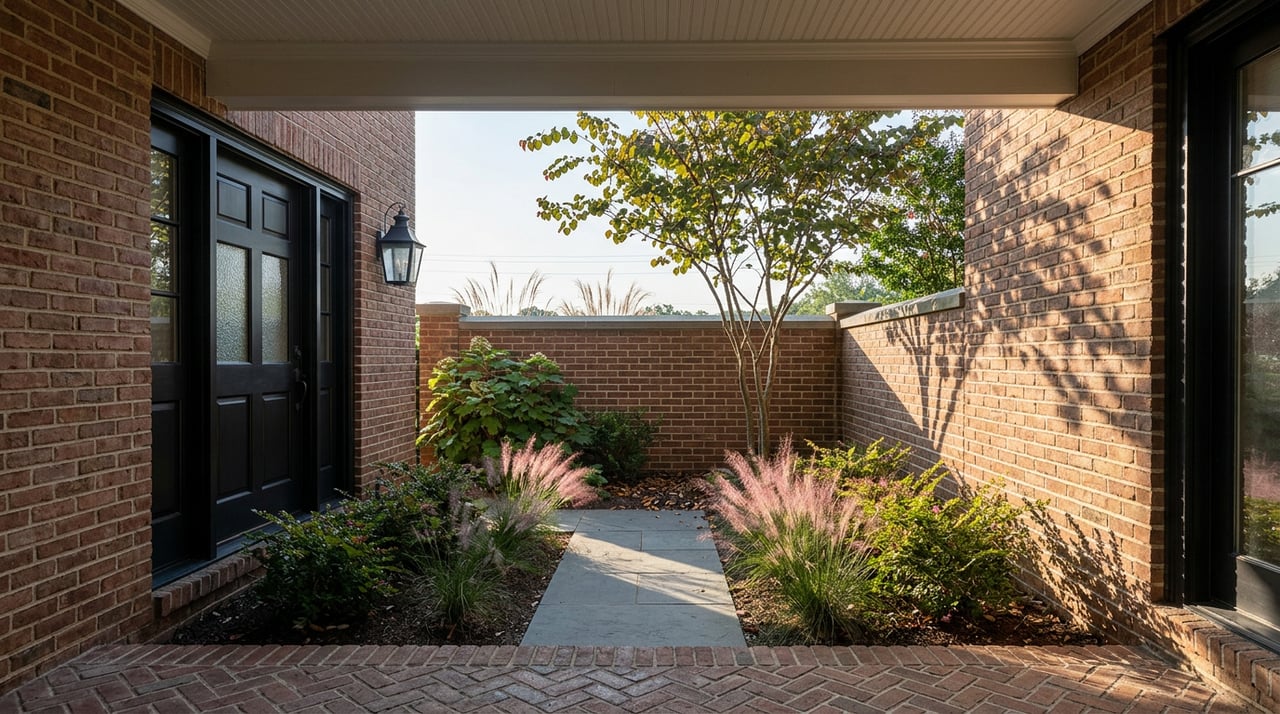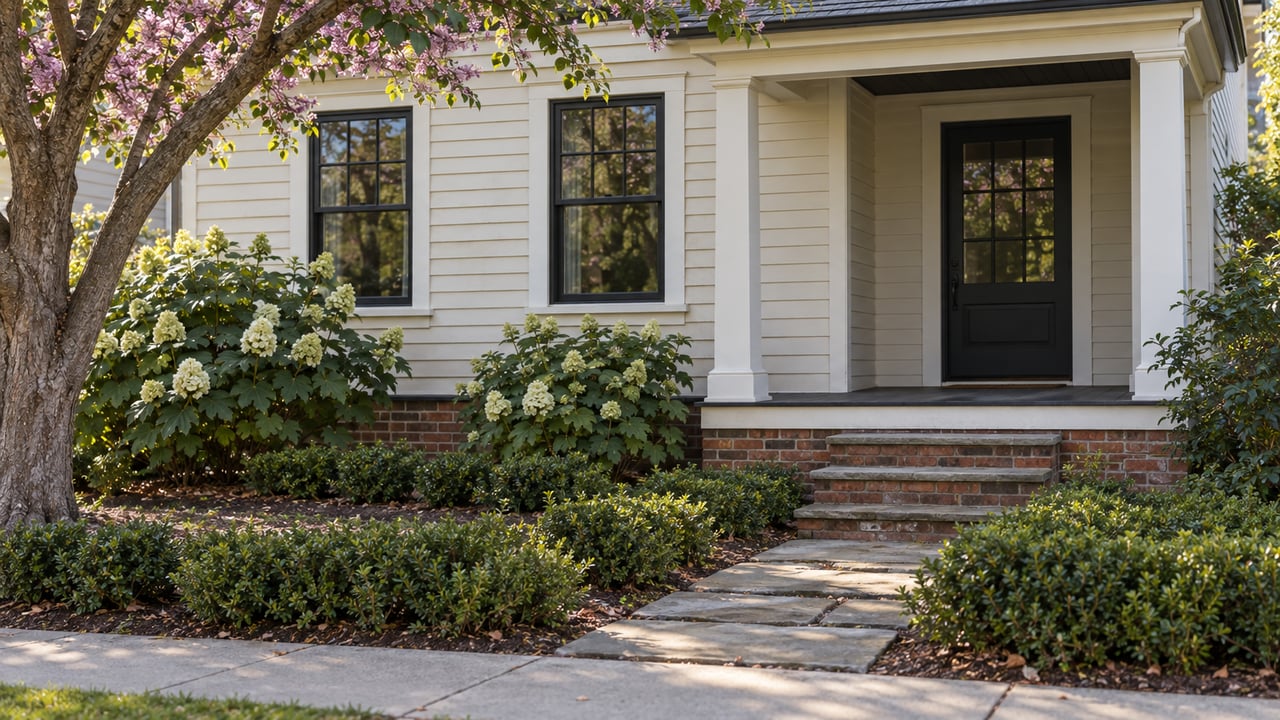
A bungalow on Acklen Avenue near Wedgewood, three blocks from Belmont University, and a bungalow on Halcyon Avenue near the I-440 interchange can look nearly identical from the sidewalk. Same era, same porch depth, same lot width. One of them can add a second story or a rear addition without much friction. The other might be sitting inside a conservation overlay that requires the new work to match the historic scale of the block before Metro will sign off. Nothing about the listing photos tells you which house you're looking at.
That gap is the reason a single "12 South median price" pulled from a portal search bar tells a buyer almost nothing useful. The neighborhood is small, roughly a half-mile of 12th Avenue South and the residential blocks around it, but it's not one market. It's several small ones stacked on top of each other, and the line between them isn't a street or a park. It's a zoning boundary you can't see standing on the corner.
The Neighborhood Spans Three Zip Codes
Start with the basic geography problem. 12 South's commonly used boundary runs from around Wedgewood Avenue in the north down to I-440 in the south, and that footprint crosses three separate zip codes: 37204, 37212, and 37203. Depending on which data source pulls which zip code, or which slice of it, "12 South" can mean a tight core around the commercial strip or a much wider swath that bleeds into Hillsboro Village on one side and the urban core on the other.
That's part of why median price figures for the neighborhood vary so widely depending on where you look. Some sources report a median sale price in the $1.4 million range using a custom polygon boundary and MLS closings over a trailing 12-month period. Others report figures closer to $1.04 million to $1.19 million when the data is pulled at the zip-code level for 37204, which includes blocks well outside the walkable core. Both can be accurate. They're measuring different things.
If you're comparing 12 South to Sylvan Park or Belmont-Hillsboro using a single number from a portal, you're comparing a fuzzy composite to whatever boundary that other neighborhood's data happens to use too. The comparison isn't wrong so much as it's imprecise in a way that matters once you're pricing a specific address.
What the Design Review Line Actually Protects
The more consequential line runs through the housing stock itself. A neighborhood conservation zoning overlay, tied to the 12th Avenue South district's design plan, covers several hundred of the older homes in the core of 12 South, mostly the Craftsman bungalows, four-squares, and Tudor cottages built between the 1920s and 1940s. Properties inside that overlay go through Metro's Historic Zoning Commission design review before an owner can do most exterior work: additions, new construction, and demolitions all get a look at scale, setbacks, and materials before a permit clears.
Outside that protected footprint, and on lots where an older home has already come down, the newer "tall-and-skinny" infill format has become common: narrow, multi-story builds that maximize square footage on the compact 0.10 to 0.25-acre lots typical of the neighborhood. These compete on finish quality and floor plan efficiency rather than historic character, and they've been landing steadily on blocks where the overlay doesn't reach or where a teardown already happened before the district was drawn.
Neither format is better or worse. But they answer different questions for a buyer. A protected bungalow gives you architectural character and a design-review process that limits what your neighbors can do to the block around you, in exchange for more friction if you want to expand your own footprint later. An infill build gives you modern square footage and fewer review hurdles on future changes, in exchange for a housing style that reads as newer and less tied to the neighborhood's early-20th-century pattern.
You can't tell which category a specific listing falls into by looking at the photos. You can by pulling the parcel's zoning history, which is worth doing before you get attached to a house based on what you assume you'll be able to do with it.
Micro-Corridors Price Differently for Real Reasons
Layer the geography and the zoning question together and you get real price variation within blocks of each other, tied to specifics rather than vibes.
| Corridor | General location | Typical price range |
|---|---|---|
| Acklen Avenue / Wedgewood area | North edge, near Belmont University and the Music Row corridor | roughly $700,000 to $1.2 million |
| Interior blocks near the 12th Avenue strip | Core walkable area | roughly $1.2 million to $2 million-plus for new construction and substantially renovated homes |
| Halcyon, Knox, and Paris Avenue area | South edge, near the I-440 interchange | roughly $600,000 to $950,000 |
The north edge carries a premium tied to Belmont University proximity and the Music Row employment corridor nearby. The south edge, close to the highway interchange, trades some of that premium for highway noise and a longer walk to the commercial strip, which shows up as the most accessible price point inside the neighborhood's boundary. The interior, where original Craftsman bungalows sit next to newer infill and substantially renovated homes, spans the widest range of all, because that's where the zoning line does the most work: an untouched bungalow on a protected block and a rebuilt three-story infill house two doors down can carry very different price tags for reasons that have nothing to do with square footage or finish level.
Why So Much of the Real Pricing Happens Off the Portal
There's a second friction point worth knowing about before you start comparing listings: how thin the market actually is once you get past the top-line numbers. Trailing 12-month data covering the neighborhood put closed sales at roughly 105 transactions, with a median of about 12 days on market and a sale-to-list ratio near 97.6 percent. Roughly two-thirds of those closings involved just three brokerages on one side or the other.
When two-thirds of a small, fast-moving market runs through a handful of brokerages, a meaningful share of price discovery happens through relationships and pre-market conversations rather than public search. A buyer relying purely on portal alerts is often seeing a listing after the local network has already had a look at it, sometimes after a private showing period has already narrowed the buyer pool. That's not a conspiracy. It's what happens when homes sell in under two weeks in a neighborhood where everyone serious is already watching the same few blocks.
What This Means If You're Comparing 12 South to Somewhere Else
None of this means the neighborhood's reputation for appreciation is inflated. A zip-code-level estimate for the area was up nearly 10 percent over a recent 12-month period, well ahead of Nashville's broader market, which was closer to flat over a similar window. The premium is real. The question is whether the premium applies to the specific block and the specific house you're looking at, or to the neighborhood-wide average that gets quoted in headlines.
Before treating any single 12 South figure as the number that matters, it's worth confirming which zip code the data source is actually using, whether the specific address falls inside the conservation overlay or on an infill-heavy block, and how recently comparable homes on that same corridor, not the neighborhood as a whole, have closed. Metro's own description of how historic overlays function, including which review triggers apply to additions versus new construction, is public and worth reading directly rather than taking secondhand.
A median price is a single number standing in for a dozen different micro-markets. In 12 South, the block you're actually buying into matters more than the number attached to the neighborhood's name.
If you're weighing a specific block in 12 South against another Nashville neighborhood, or trying to figure out what a particular lot's zoning history means for your plans, Heather Hamel can walk through the parcel-level details with you before you write an offer.