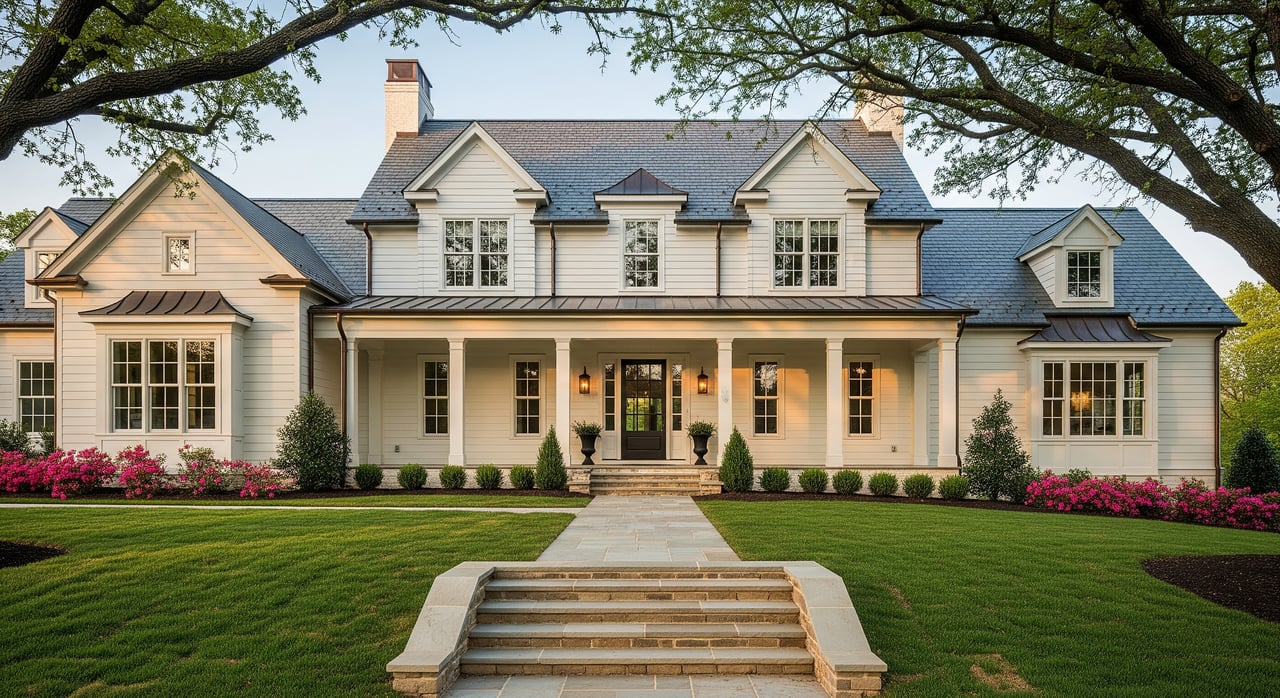
Thinking about listing your Brentwood home and want a calm, high-quality launch? The 30 to 60 days before photography are where you set the tone for the entire sale. When you handle safety, permits, and simple exterior fixes early, you reduce risk and build buyer confidence. In this guide, you’ll get a focused, prioritized checklist tailored for Brentwood and Williamson County sellers so you can move from prep to photography without drama. Let’s dive in.
Why pre-list readiness matters in Brentwood
In Brentwood, the best listings feel effortless. That look is the result of careful prep. You’ll want to coordinate safety items and local compliance, surface issues through inspections, and complete targeted curb-appeal work. This approach reduces surprises later and helps you hold your price.
Local rules can vary. Verify permit status and any open inspections with the City of Brentwood Building and Codes or Williamson County, confirm smoke and carbon monoxide alarm requirements with the Brentwood Fire Department, and review your HOA’s architectural rules. Tennessee’s seller disclosure laws also expect you to share known material facts. Aligning these pieces early protects your timeline and your leverage.
Your 30 to 60 day prioritized checklist
Safety and compliance first
Address these items before anything else. They protect your liability and reassure buyers.
Permits and open inspections
- Request a permit history for your property from the City of Brentwood or Williamson County. Identify any open permits or missing finals.
- Schedule final inspections and gather closure letters where possible. If timing is tight, secure written contractor plans and share status transparently with your listing agent.
- Some lenders and title companies expect open permits resolved before closing. Confirm expectations early.
Smoke alarms and carbon monoxide detectors
- Test every smoke alarm, replace failing units, and update older models that are past typical lifespan. Install alarms inside each bedroom, outside sleeping areas, and on every level per widely accepted guidance. Verify local specifics with the fire department.
- If you have fuel-burning appliances, a fireplace, or an attached garage, install CO alarms in the recommended locations. Consider an electrician if your system is hardwired or interconnected and not functioning.
Pool and spa barriers
- Inspect pool fencing and gates to ensure they latch and self-close properly and that the barrier is intact.
- Isolation fencing that separates the pool from the house is considered the strongest safety measure and is a common buyer expectation, even when not explicitly required. Confirm any neighborhood standards with your HOA.
Trip and fall hazards
- Repair cracked or uneven walkways, loose pavers, wobbly steps, unsecured handrails, and soft deck boards. These issues are safety risks and show up in photos.
Electrical and gas safety
- Replace missing or cracked outlet covers. Confirm GFCI protection in kitchens, baths, laundry areas, garages, and outdoors. If you smell gas or suspect a leak, schedule licensed service immediately.
Termite and wood-destroying insects (WDI)
- Brentwood’s climate supports termite activity. Order a WDI inspection and treat if needed. Buyers often ask for this, so getting ahead reduces back-and-forth.
Pre-list inspections to schedule
Early inspections help you choose targeted fixes and avoid last-minute negotiations.
Full pre-list home inspection
- Ask for a comprehensive review: structure, roof, HVAC, plumbing, and electrical. Use the report to decide what to repair versus disclose and to budget intelligently.
Roof inspection and tune-up
- Replace missing shingles, secure loose flashing, and seal penetrations. Clean gutters and confirm downspouts drain away from the foundation. If the roof is newer, consider a contractor letter or certification.
HVAC service
- Replace filters, service equipment, and confirm heating and cooling performance. Keep receipts visible for buyers.
Plumbing tune-up
- Fix drips and slow drains, repair running toilets, and address weak water pressure. Service water heaters and note age and maintenance history.
Septic and well, if applicable
- If your property uses private systems, obtain pumping or inspection records. Buyers on larger lots often expect recent documentation.
Specialized testing when appropriate
- Consider radon testing based on buyer interest, mold assessment if you’ve had leaks, and lead-based paint disclosures for older homes. Order a WDI report as part of your prep.
High-impact exterior and visual fixes
Complete these items 30 to 45 days before photography to maximize curb appeal.
Exterior paint and trim
- Touch up visible siding, fascia, doors, and trim. Focus on the front elevation and entry. Even small repairs photograph well.
Driveways and walkways
- Pressure wash, remove oil stains, and fill mid-sized cracks. Clear weeds along edges.
Landscaping and curb appeal
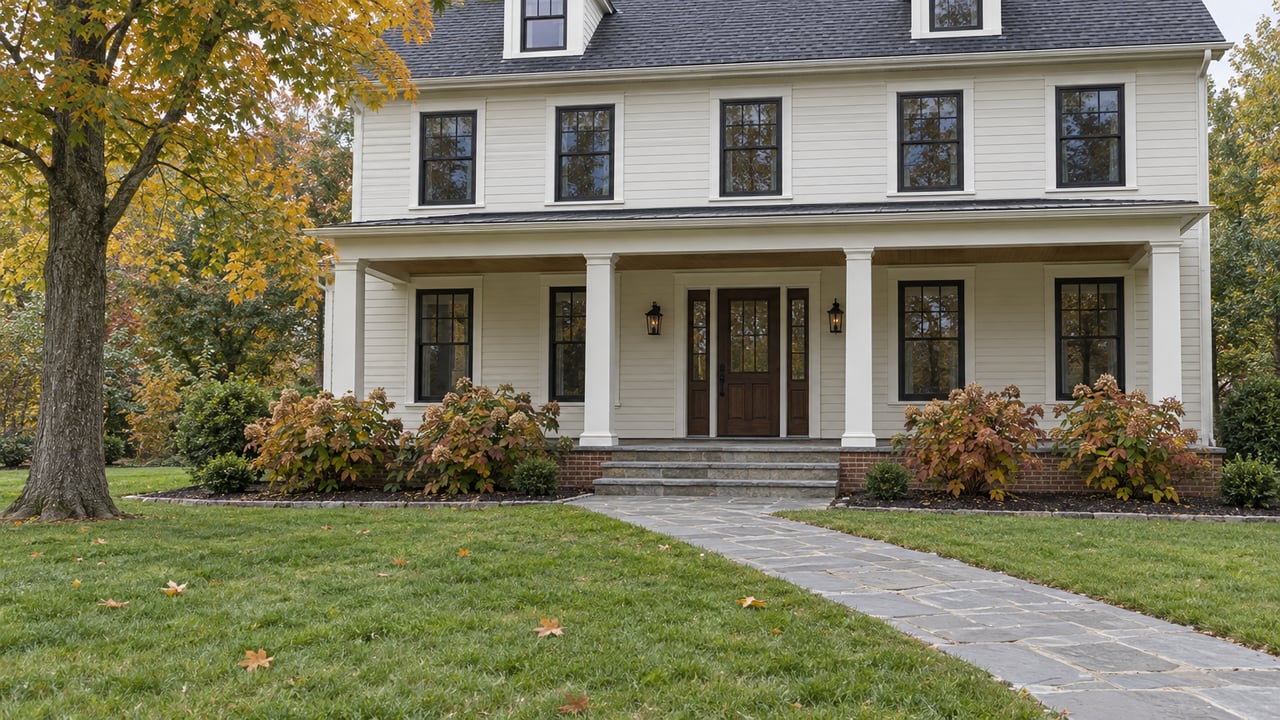
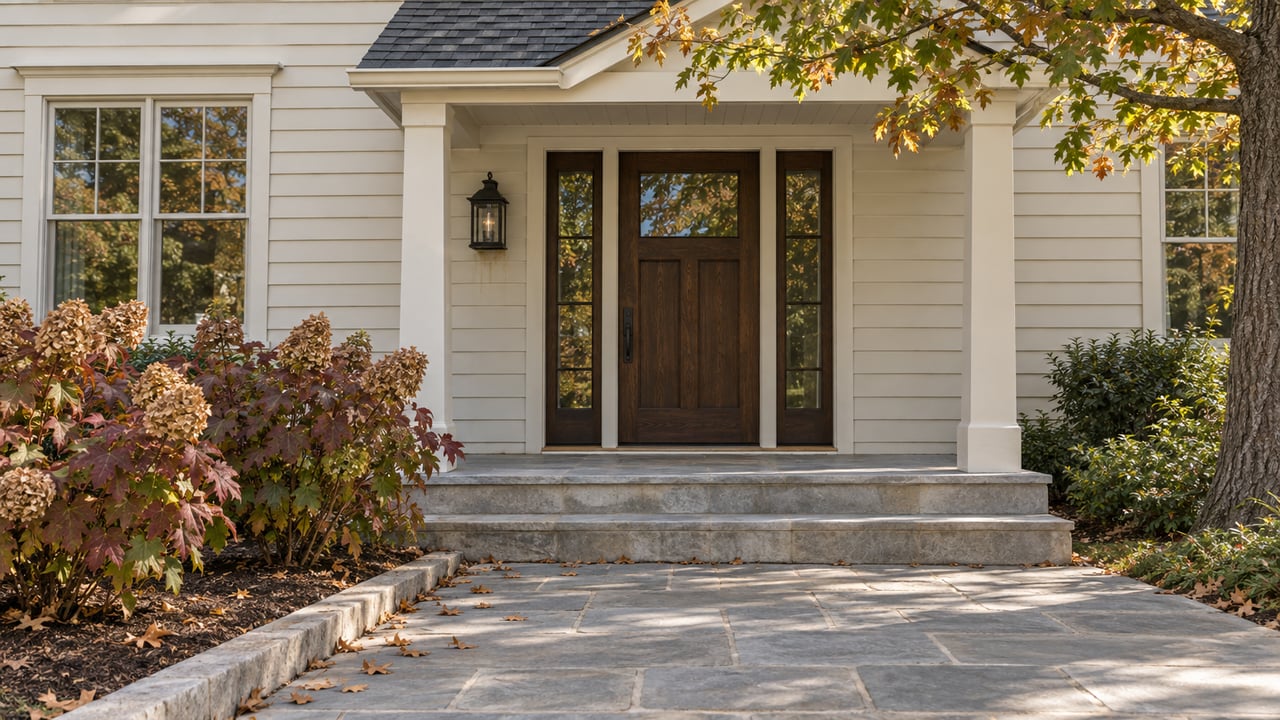
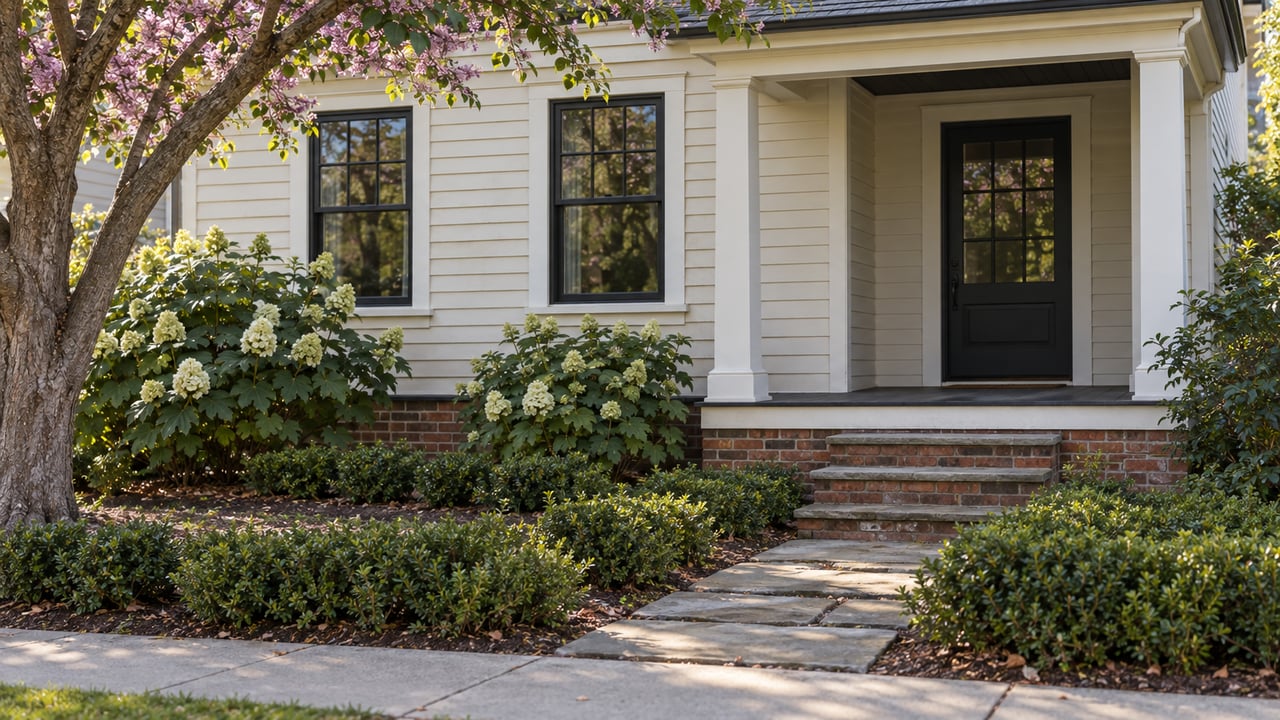
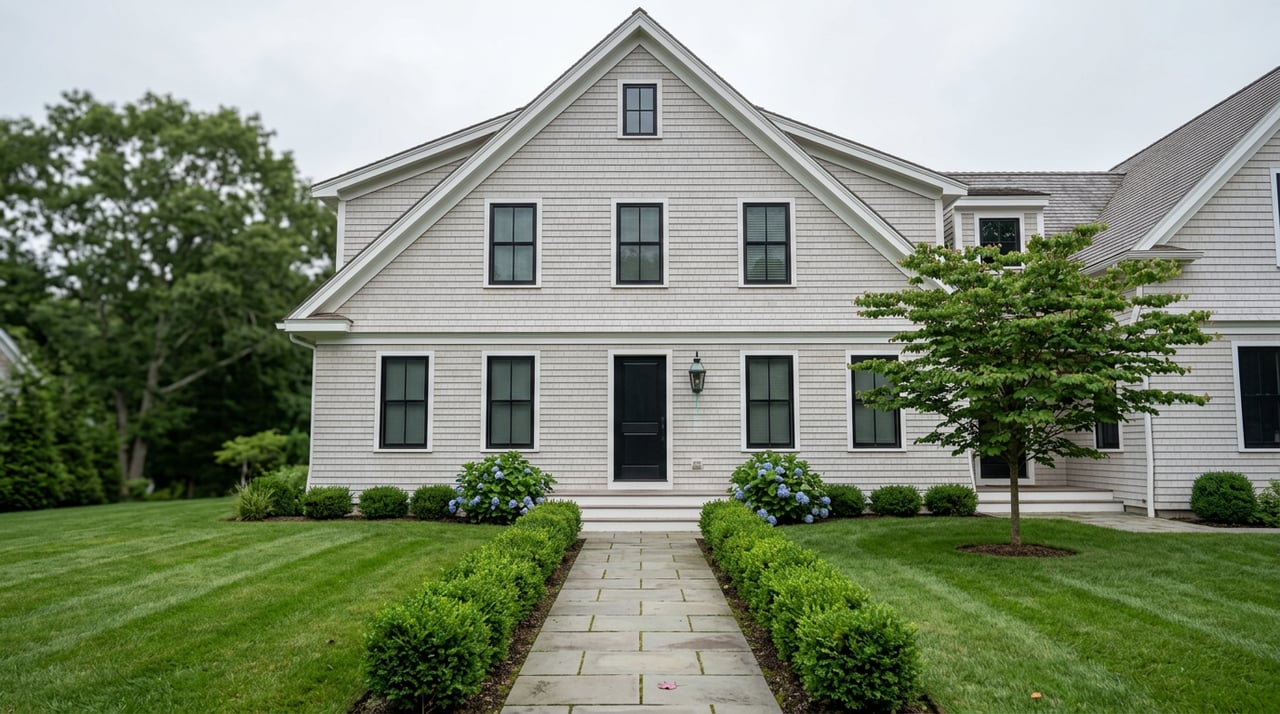
- Trim hedges, remove dead plants, edge and mulch beds, and add simple seasonal color by the entry. Keep the look manicured and restrained.
Windows and doors
- Wash windows inside and out. Repair damaged screens and ensure locks and latches work smoothly. Replace burnt-out exterior bulbs.
Exterior lighting
- Test landscape and entry lighting. Replace bulbs so twilight photos look intentional and warm.
Garage and storage presentation
- Declutter and organize. If the door is visibly worn and front-facing, consider a refresh or replacement.
Pool area presentation
- Clean the pool, tidy furniture, and remove faded or torn covers. Ensure visible safety features are functional and well maintained.
Documentation and transaction prep
Good records speed diligence and build trust.
- Collect permit closure letters, mechanical and roof receipts, warranties, service contracts, appliance manuals, and WDI reports. Plan to upload them to your listing’s data room.
- Request HOA estoppel or dues statements, hazard insurance requirements, and architectural rules. Turn times can be slow, so start early.
- Complete Tennessee seller disclosure forms honestly and attach supporting items like open permit status, WDI results, and service invoices.
A practical 60-to-30 day timeline
60 days out
- Order a pre-list home inspection and a WDI inspection.
- Request permit history and HOA documents. Flag any open permits.
- Schedule contractor work that requires lead time, such as permit closures, roof repairs, HVAC or plumbing fixes, and pool barrier upgrades.
- Start landscaping clean-up and arrange any hardscape repairs.
45 days out
- Complete priority safety fixes, including smoke and CO alarms, pool barrier corrections, and high-risk trip hazards.
- Review inspection reports and decide what to repair versus disclose.
- Book painters, carpenters, electricians, and plumbers for targeted work.
30 days out
- Finish exterior touch-ups, pressure washing, gutter cleaning, and window washing.
- Finalize staging, move nonessential items to storage, and complete a deep clean.
- Compile documentation for buyers and your listing file.
- Test exterior and landscape lighting for twilight photography.
What to expect with costs and contractors
Every property is different, but a few patterns hold.
Relative cost expectations
- Smoke and CO alarm updates usually fall in the low to moderate range and are a top safety priority.
- Pool barrier work can be moderate to high depending on layout and HOA standards.
- Roof tune-ups are often modest compared to full replacement. Minor flashing and shingle work goes a long way.
- Pre-list, WDI, HVAC, and other specialized inspections are modest per report and provide strong value.
- Exterior touch-ups are typically low to moderate. A full repaint is more, but often not required for listing.
Choosing contractors
- Hire licensed and insured local trades, and verify license status where applicable. For electrical, gas, or structural work, use licensed specialists.
- Select pool and fence contractors who know Brentwood and Williamson County standards and your HOA’s rules.
- Ask pest companies about treatment guarantees and keep receipts for buyer review.
How this approach strengthens negotiations
You do not have to fix everything a report finds. Most repairs are negotiable. Safety issues, code violations, or open permits can create title or lender hurdles, which is why you address them early. When you surface issues in advance, you set realistic expectations and reduce the chance of late renegotiation.
Delivering documentation with the listing signals that your home is well cared for and that you are a prepared seller. Buyers gain confidence, agents move faster, and your closing is less likely to stall over solvable items. In a competitive market like Brentwood, that composure can preserve price and shorten time on market.
Ready for a calm, polished launch?
If you want a discreet, well-orchestrated listing process, align your inspections, safety items, and exterior refresh by the 30 to 60 day mark. Confirm local requirements with City of Brentwood Building and Codes, the Brentwood Fire Department, and your HOA, then present clear documentation to buyers. For bespoke guidance and a market-tailored plan, begin a private consultation with Unknown Company.
FAQs
Do you have to fix everything found in a pre-list inspection in Brentwood?
- No. Most items are negotiable, but safety issues, code violations, and open permits can affect title or lender approval, so prioritize those before listing.
What if permits are open when selling a Brentwood home?
- Open permits can delay closing. Close them when possible, or provide contractor plans and timelines and disclose status clearly to reduce risk.
Are pool fences required for Brentwood luxury homes?
- Requirements vary by jurisdiction and HOA. A secure, self-latching barrier is a strong safety standard and a common buyer expectation, so verify and update as needed.
Should you order a pre-list inspection for a Brentwood estate?
- Yes for most luxury listings. A pre-list inspection surfaces issues early, helps you budget targeted fixes, and reduces late-stage negotiations.
Who pays for repairs in Tennessee home sales?
- It is negotiable. Sellers often handle minor safety and cosmetic items pre-listing, while buyers may request repairs or credits after inspections.
Which authorities can verify local requirements in Brentwood?
- Contact City of Brentwood Building and Codes for permits and local amendments, the Brentwood Fire Department for alarms and life safety, and your HOA for architectural rules.
What documents should you provide to buyers up front?
- Permit closure letters, inspection reports, WDI documentation, service receipts, warranties, appliance manuals, and HOA estoppel and rules, organized in your listing file.